National Parks of Albania and Montenegro – Photo Expedition 2025
A ten-day odyssey through the Balkans – from sand pyramids and the Piva canyon to Lake Skadar, a nose-horned viper and flamingos in Albania’s lagoons.
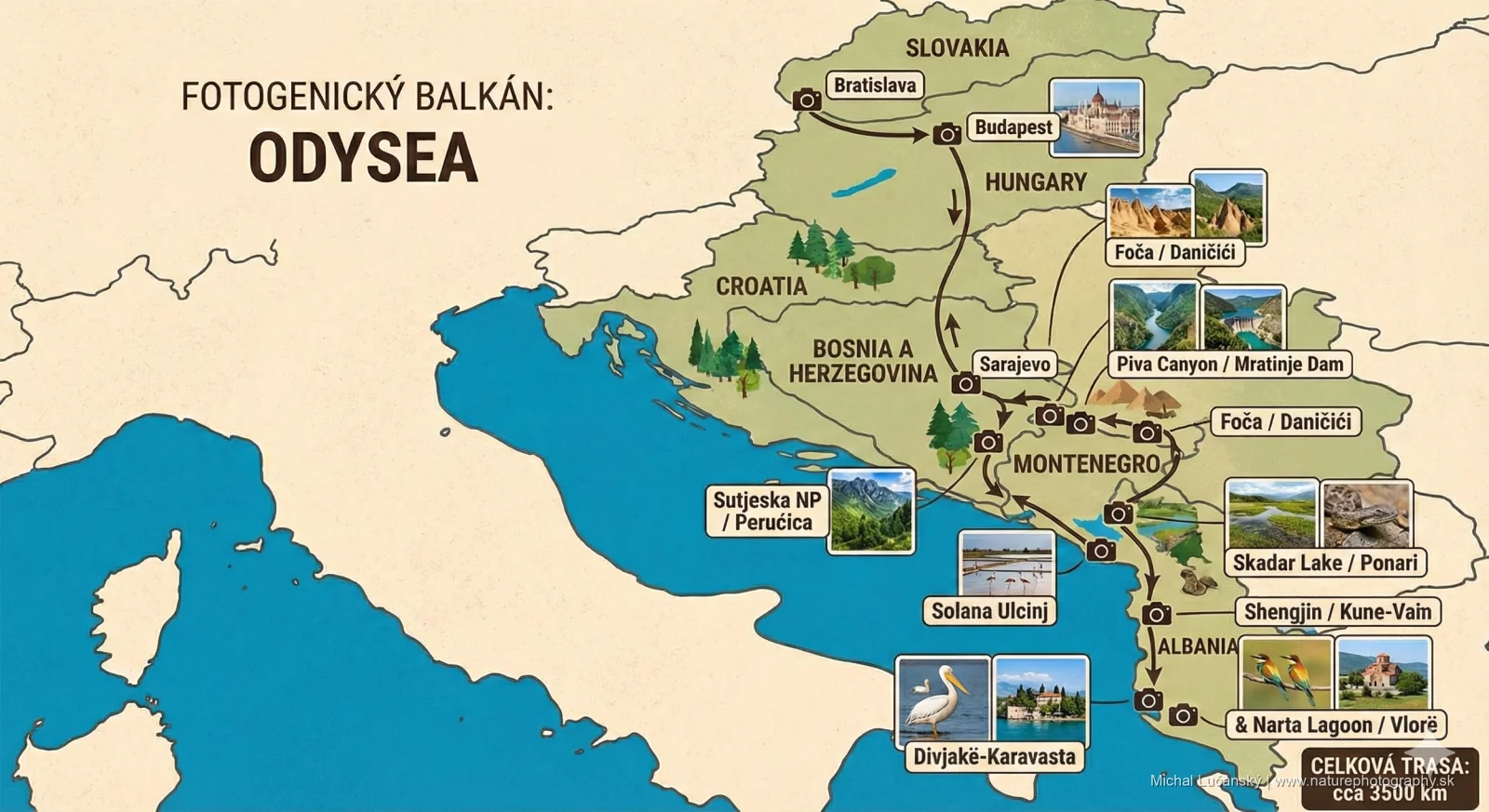
Our expedition got under way under cover of night, while we were still in Bratislava. We set off not only full of anticipation but also with cases full of camera gear, ready to capture the fleeting moments of the Balkans. The night-time kilometres took us through Hungary, where the hypnotic rhythm of the motorway and the monotonous glare of headlights alternated with the silence of lay-bys.
With the first rays of sunlight we were already crossing the borders of Croatia and later Bosnia and Herzegovina. The flatness of the Pannonian Basin gave way to rolling terrain. Our morning drive through Sarajevo was only in transit, yet powerful all the same. The capital, lying in the Sarajevo valley surrounded by the Dinaric Alps, is a living museum where the Ottoman legacy mingles with the scars of recent history.
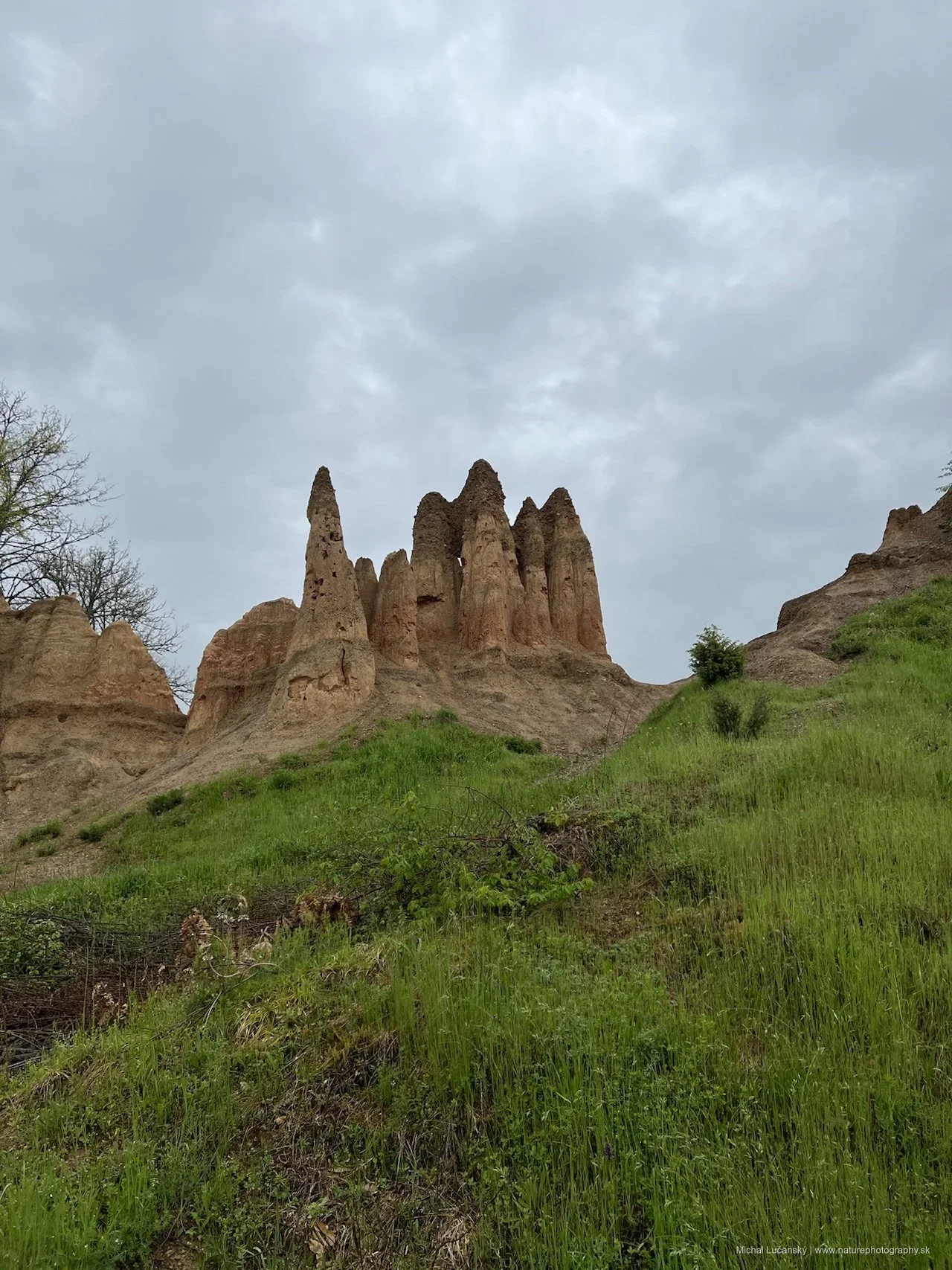
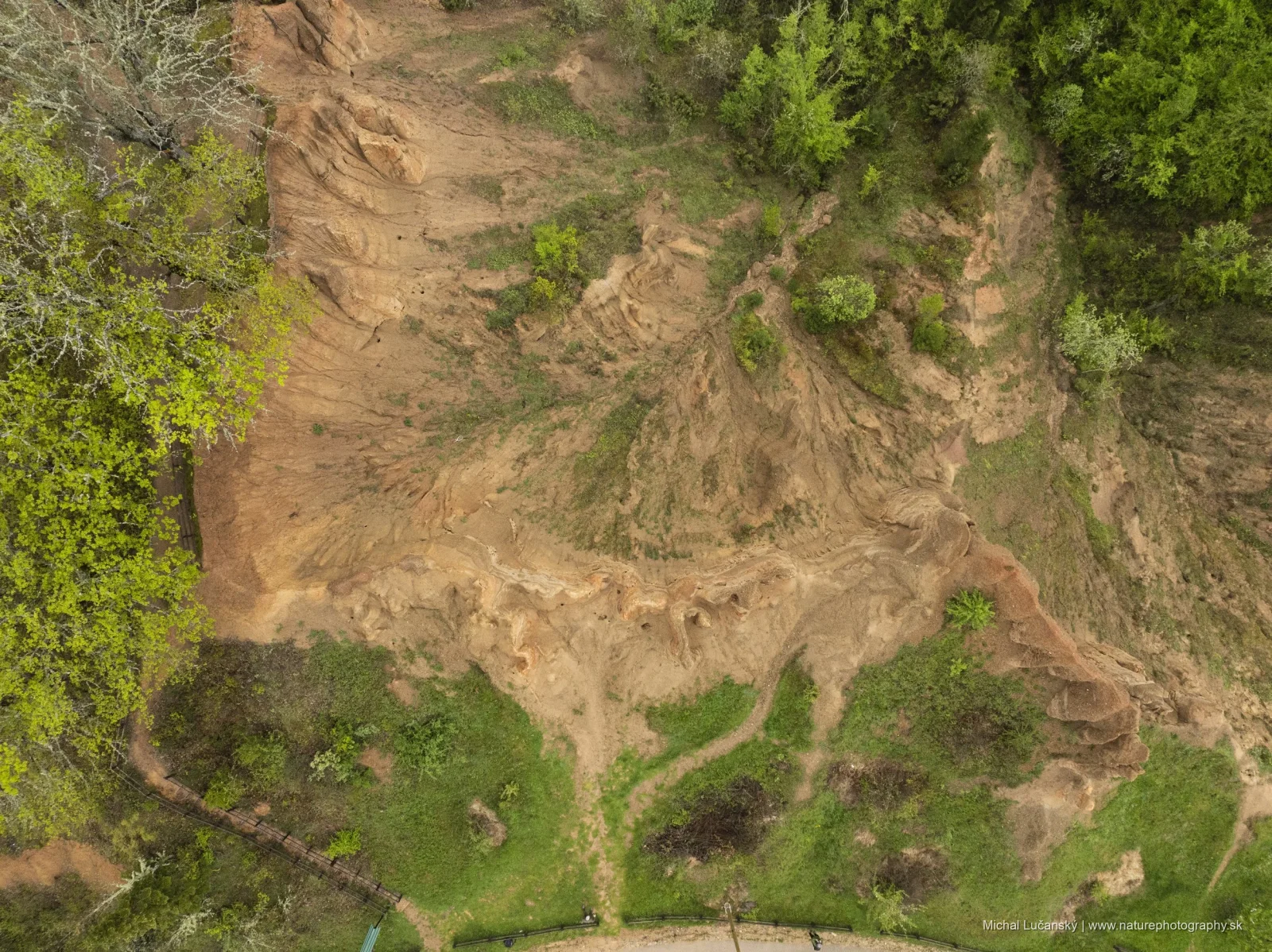
We made our first big photo stop in Daničići near Foča. The local sand pyramids (Pješčane piramide) are a geomorphological phenomenon often compared to those in Colorado. These formations are not man-made but the result of thousands of years of erosion of sandy clay, gravel and conglomerate. Interestingly, the process is still going on – the pyramids grow, change and disappear under the influence of rain and wind, and some reach heights of up to 20 metres. The light rain that greeted us gave the scene a dramatic saturation of colour.
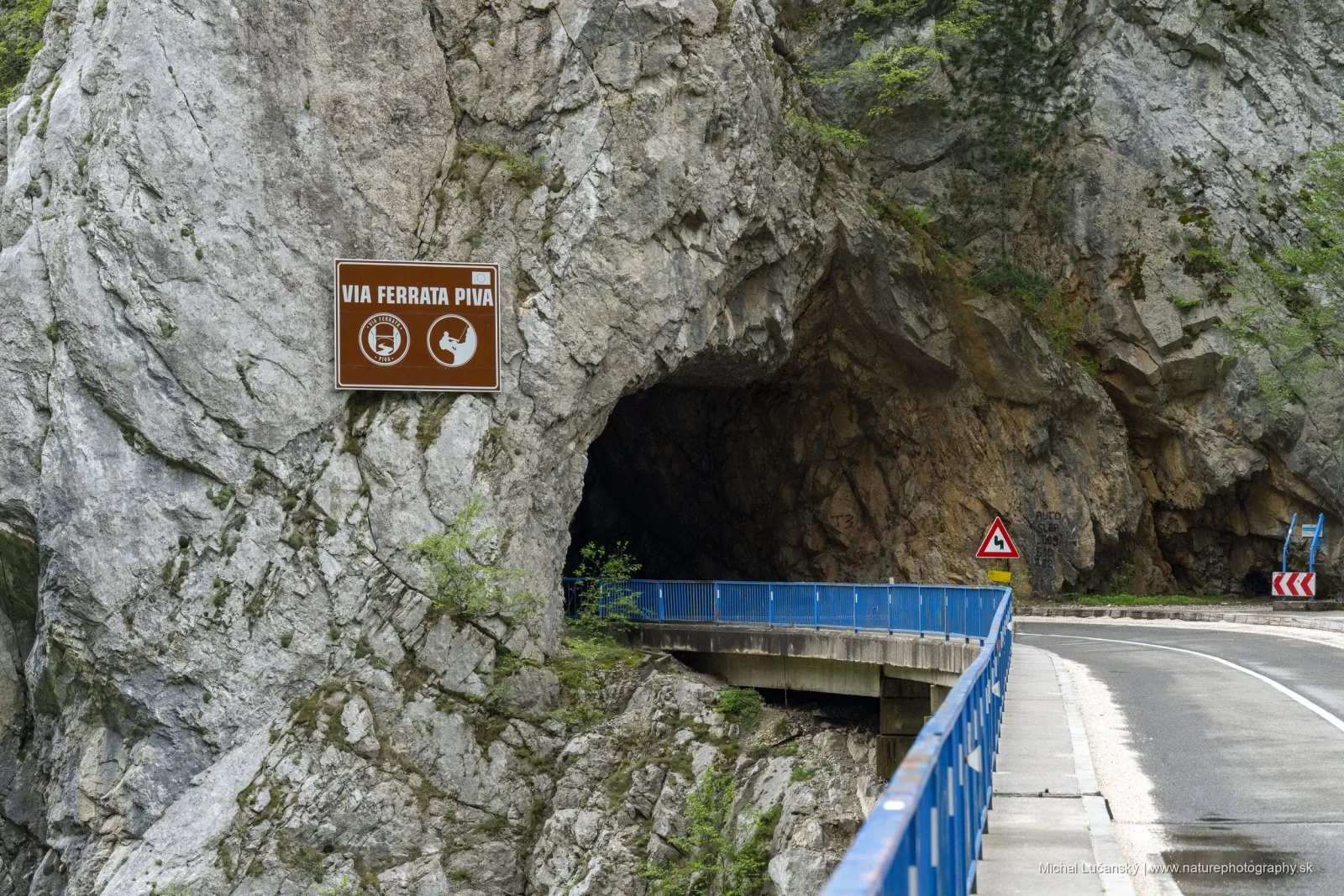
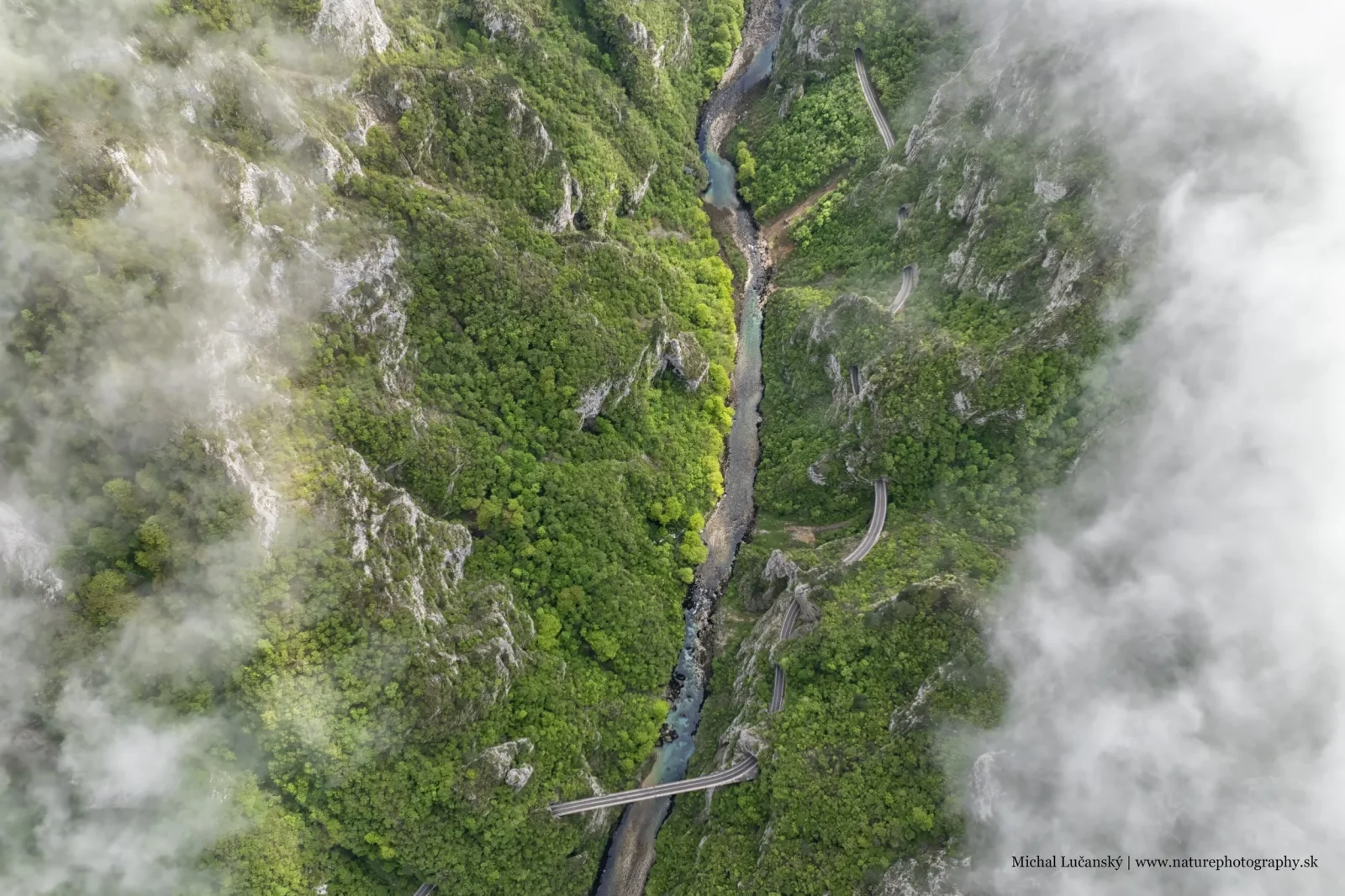
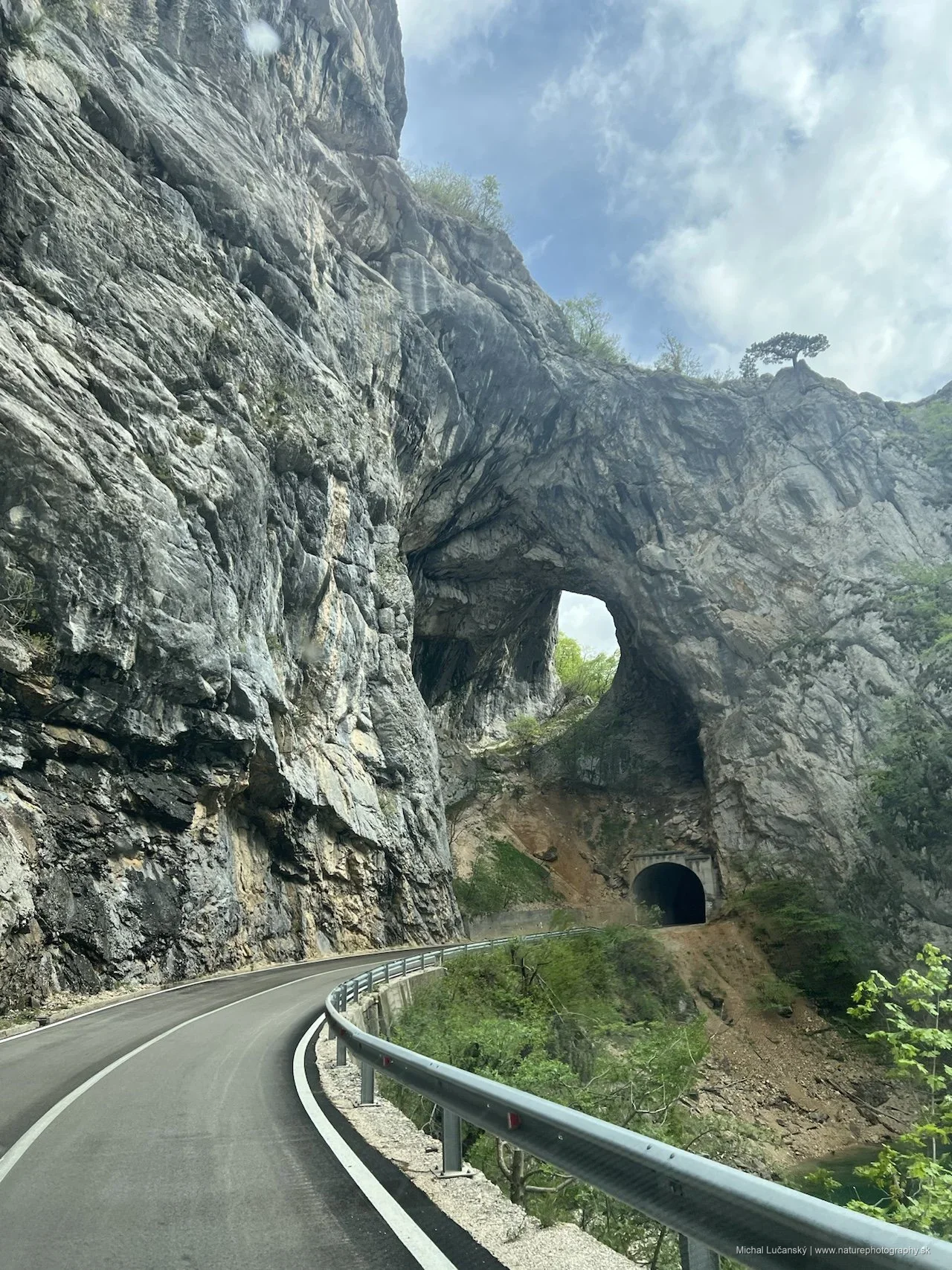
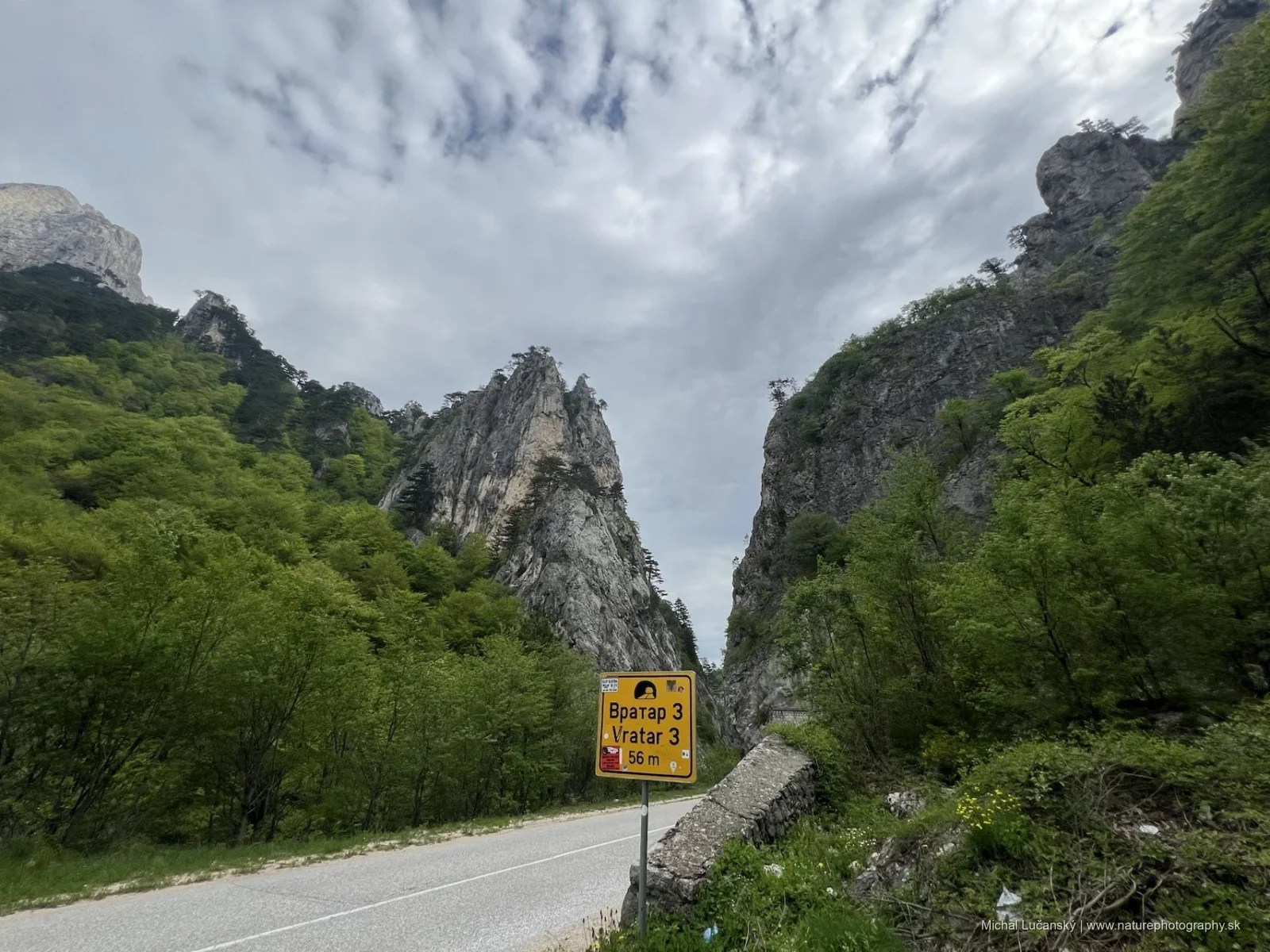
Heading south, the road then took us into the valley of the River Piva. The river’s turquoise water cuts into the limestone rock, forming a canyon up to 1,200 metres deep in places. The canyon’s present form is the result of a massive feat of engineering. In 1975 construction of the Mratinje dam was completed; at 220 metres high, it is one of the tallest in Europe. The resulting Lake Piva flooded the original town of Plužine, which had to be relocated entirely. The road carved into the sheer walls, riddled with dozens of raw tunnels, made for a dynamic photographic experience.
After crossing the border into Montenegro, we arrived in the early evening at Ponari on Lake Skadar, the largest body of water in the Balkans.
Day two was all about the golden hour on Lake Skadar. The lake is a geographical rarity – it is the largest body of water in the Balkans and also a cryptodepression, meaning that parts of its bed lie below sea level. The lake is shared between Montenegro and Albania and is listed as a Ramsar site.
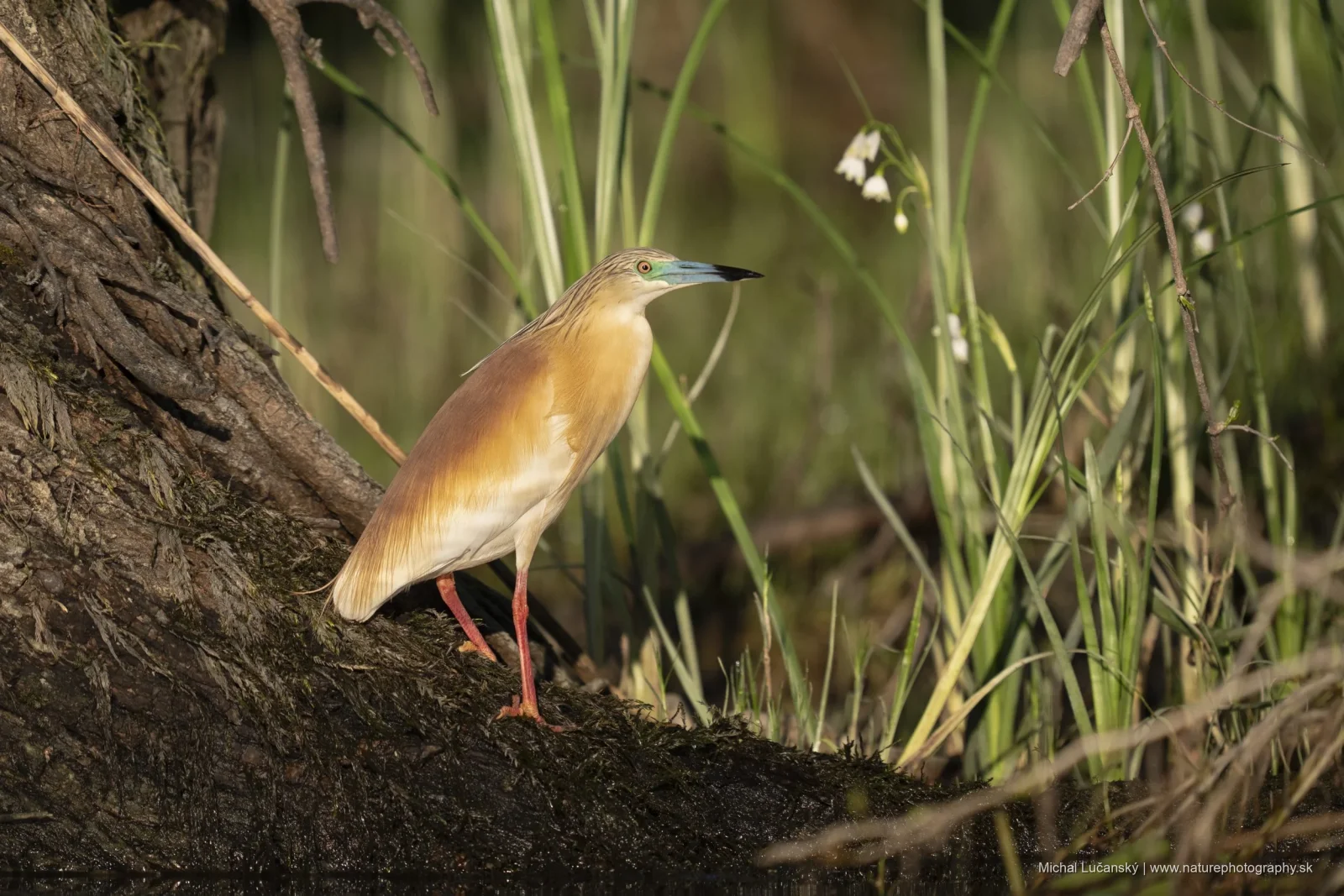
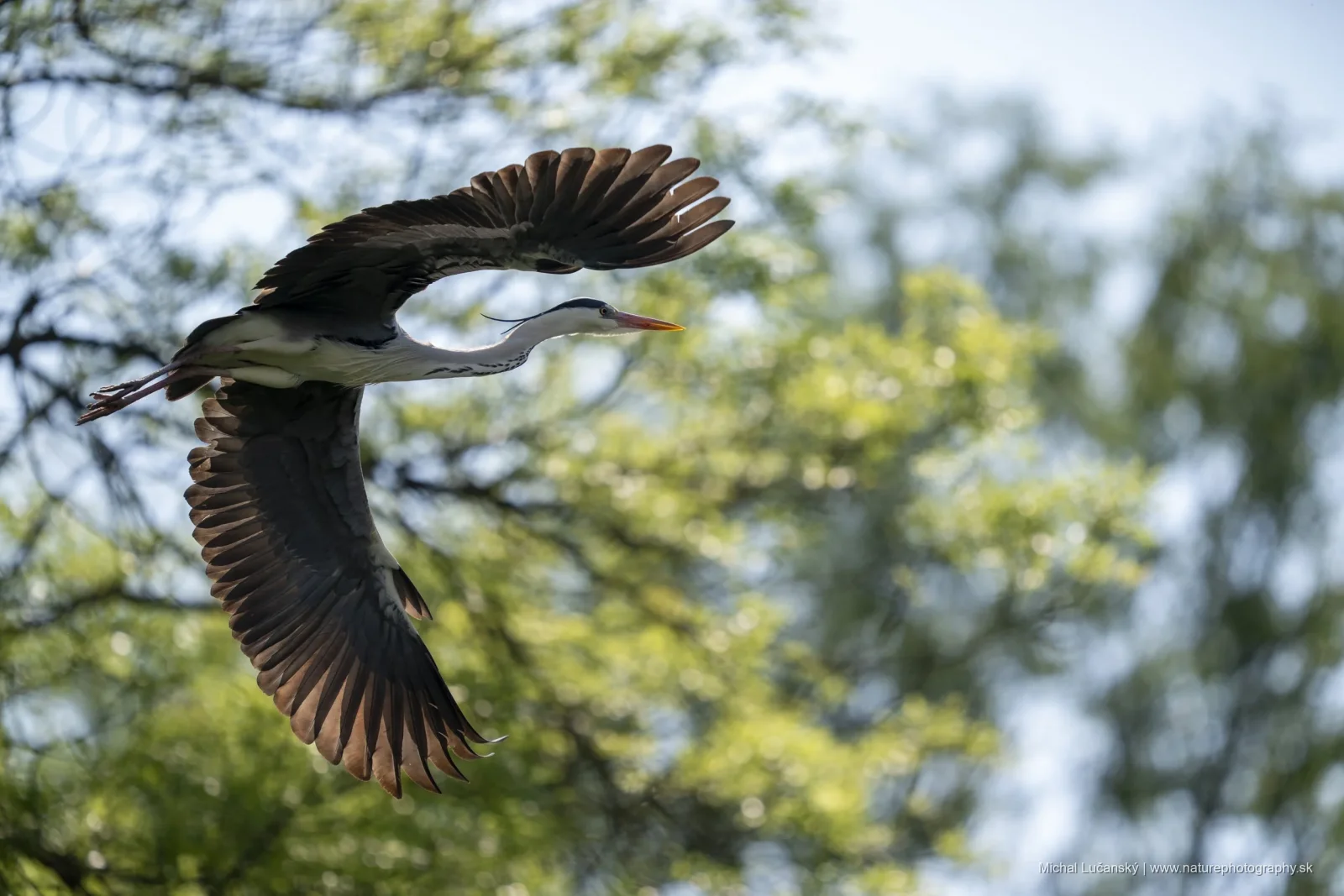
A morning boat trip through the channels, where we watched squacco herons and grey herons, culminated in a visual spectacle – swarming insects, backlit by the sun, created the illusion of golden dust.
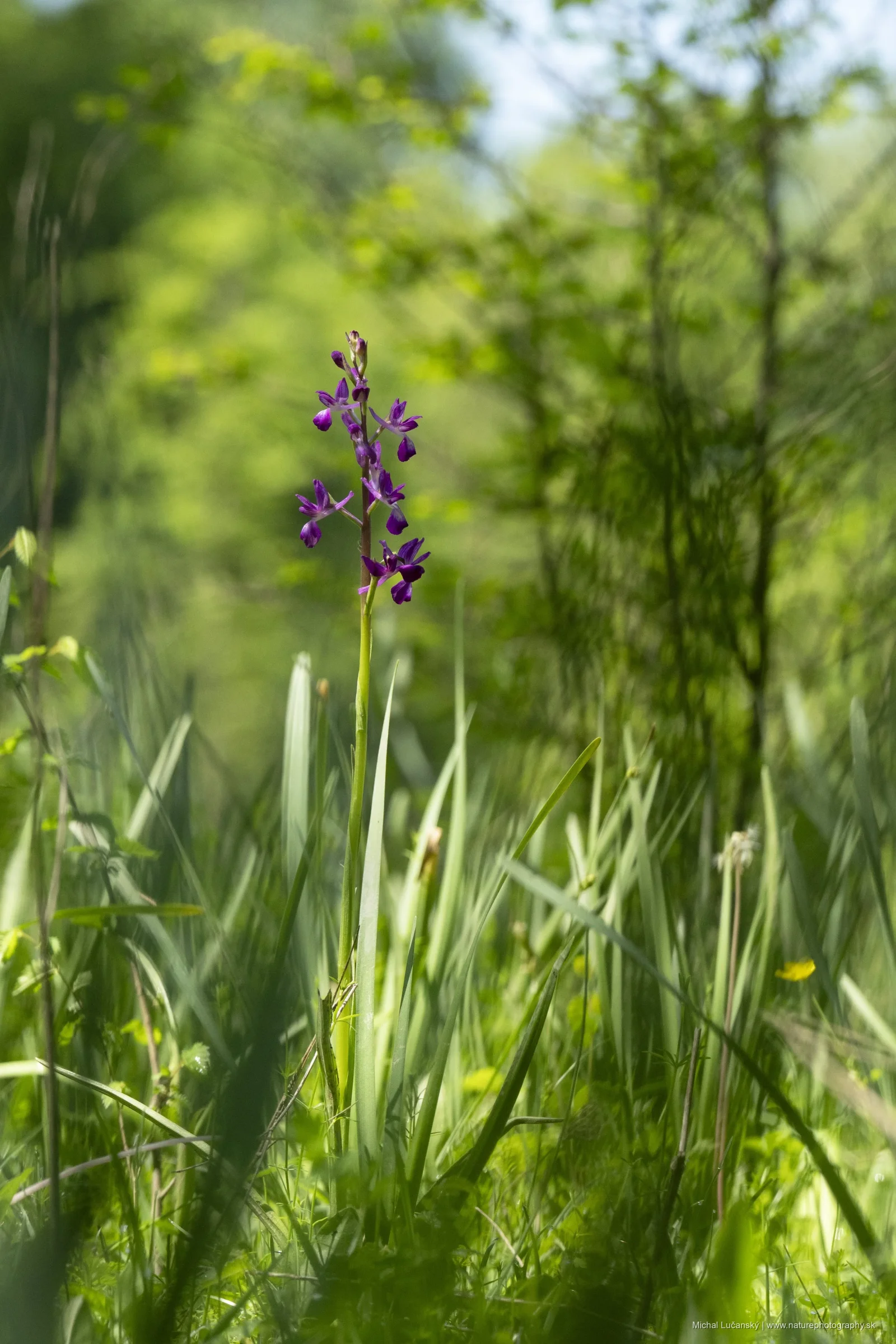
Back on land, I swapped my telephoto lens for macro gear. Right by our accommodation I was “greeted” by a four-lined snake (Elaphe quatuorlineata), but it was too quick for me. I headed for the waterlogged meadows, which turned out to be a botanical treasure trove. I found countless marsh orchids (Anacamptis palustris). With their deep purple flowers, these orchids glowed in the green grass. I spent dozens of minutes crawling through the wet grass, searching for the perfect composition for macro shots.
Face to face with Europe’s most venomous snake
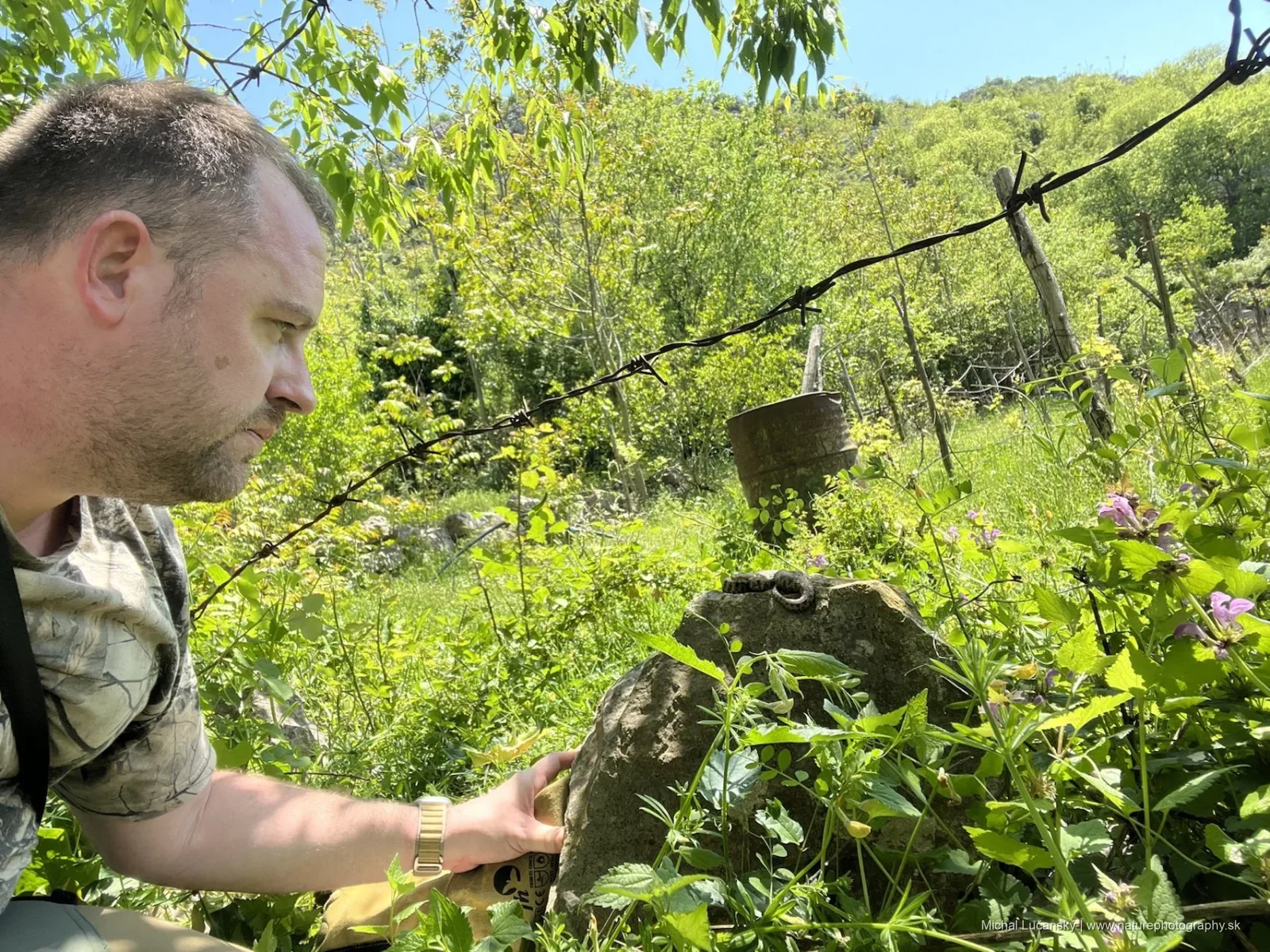
After this botanical interlude I turned to my herpetological target. Although I was surprised by a wryneck, I was looking for a specific habitat – where meadows, scrub and stony scree meet.
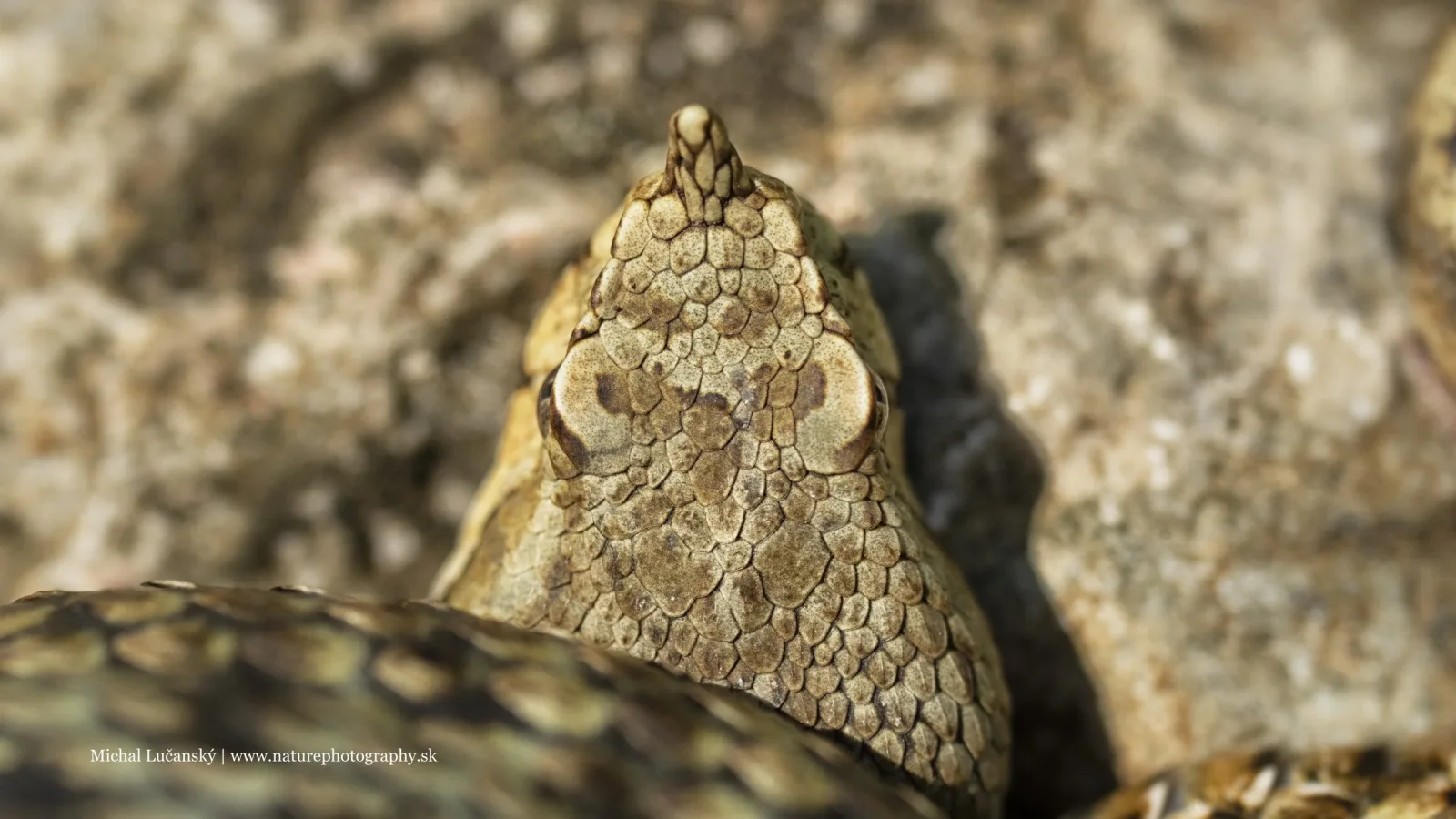
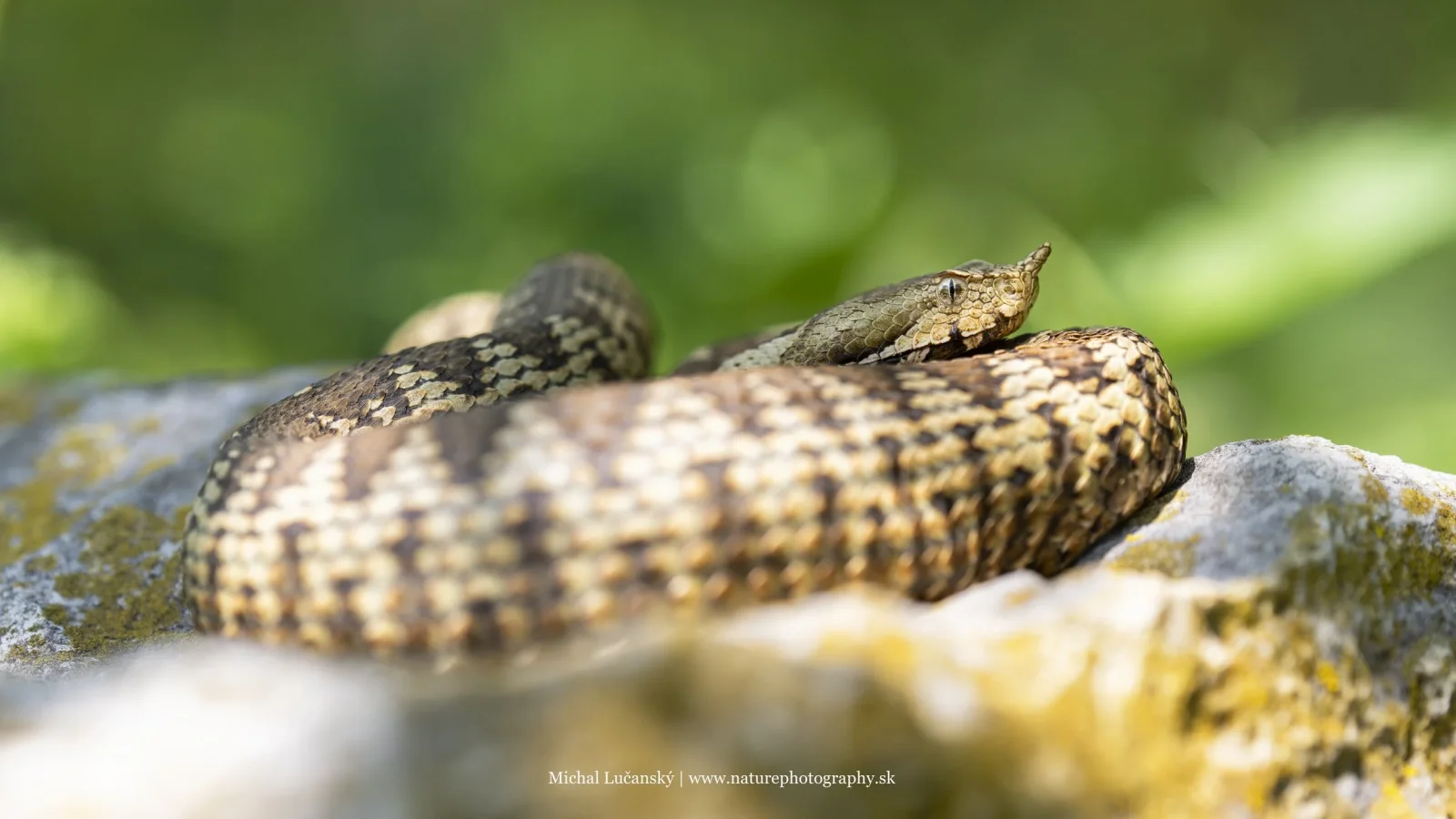
It didn’t take long for my trained eye to pick out an anomaly on a grey stone. There it was. A nose-horned viper (Vipera ammodytes). The encounter gave me an instant rush of adrenaline mixed with deep respect. This is the most venomous snake on the European continent. Its distinguishing feature is a prominent soft projection on the tip of its snout – the “horn” – and a distinct zigzag line along its back. I carefully got down to its eye level so that the shot would have depth and connection. The photograph of this “queen of the Balkans” immediately earned a prominent place in my archive.
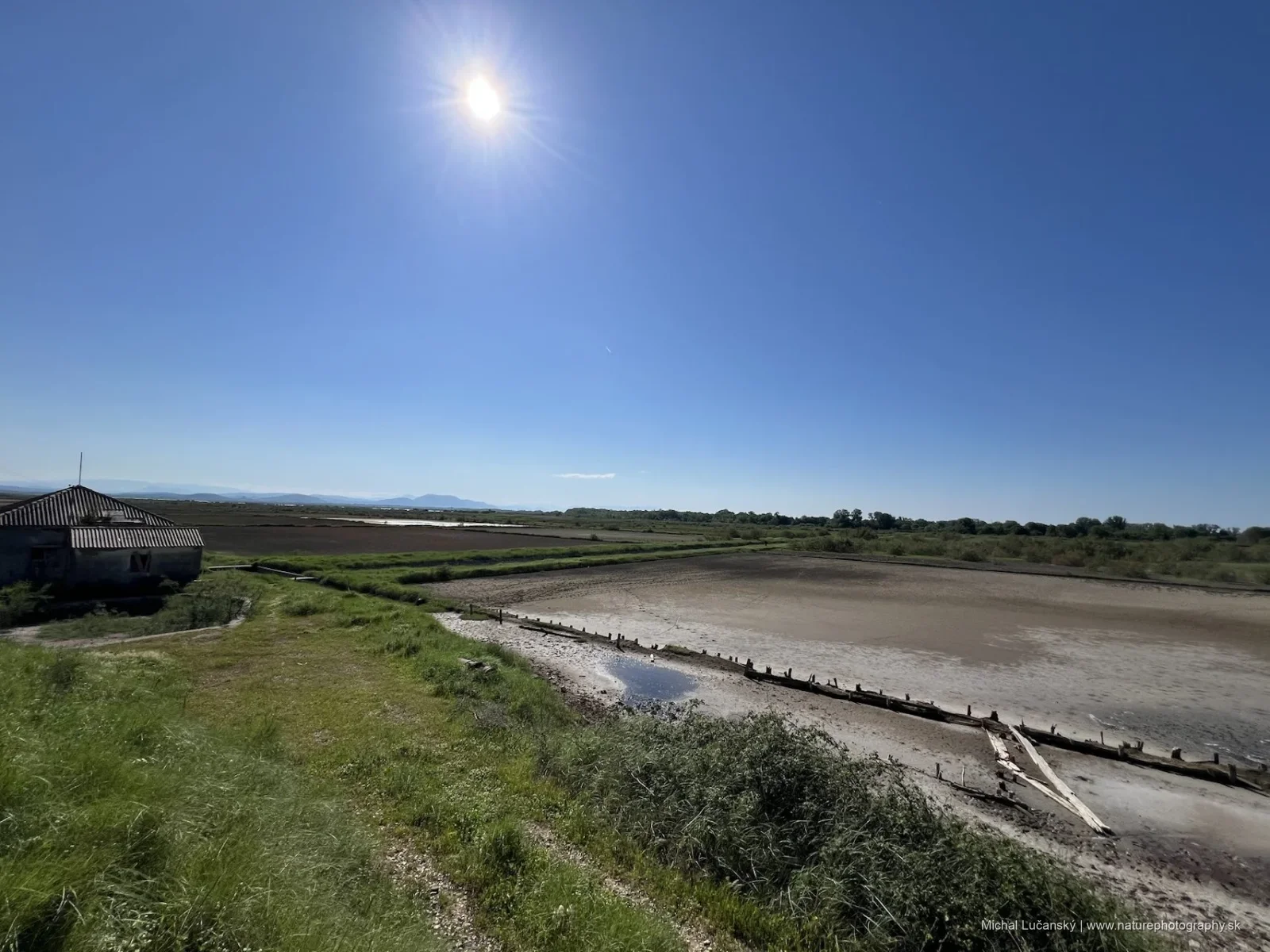
Day three began before dawn with a drive south. Our destination was Ulcinj Salina. Covering almost 15 square kilometres, the site is larger than the entire town of Ulcinj. It was originally an industrial complex for extracting sea salt, which operated from 1934, when the area was drained.
Silence, a promise and minimalist composition
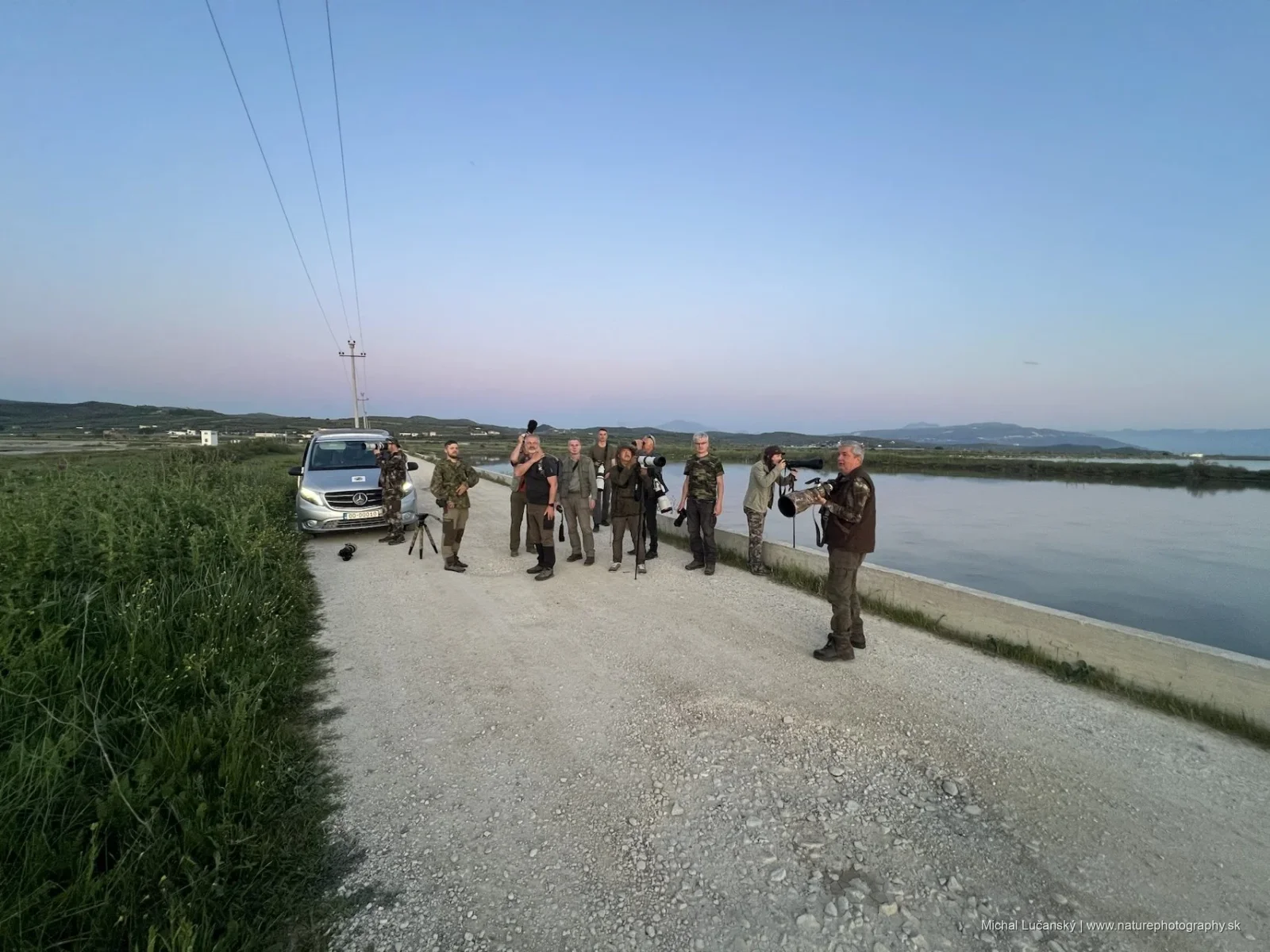
We arrived before dawn, the key hour for photography. Our group dispersed in the silence of the vast pools, which on that cool morning looked like perfect, mirror-like surfaces. The ever-present, faint smell of salt and wet mud was the only sensory distraction. The salina is a fascinating piece of industrial heritage – everywhere you can see the remains of channels, pumps and dykes, which today serve as nesting sites.
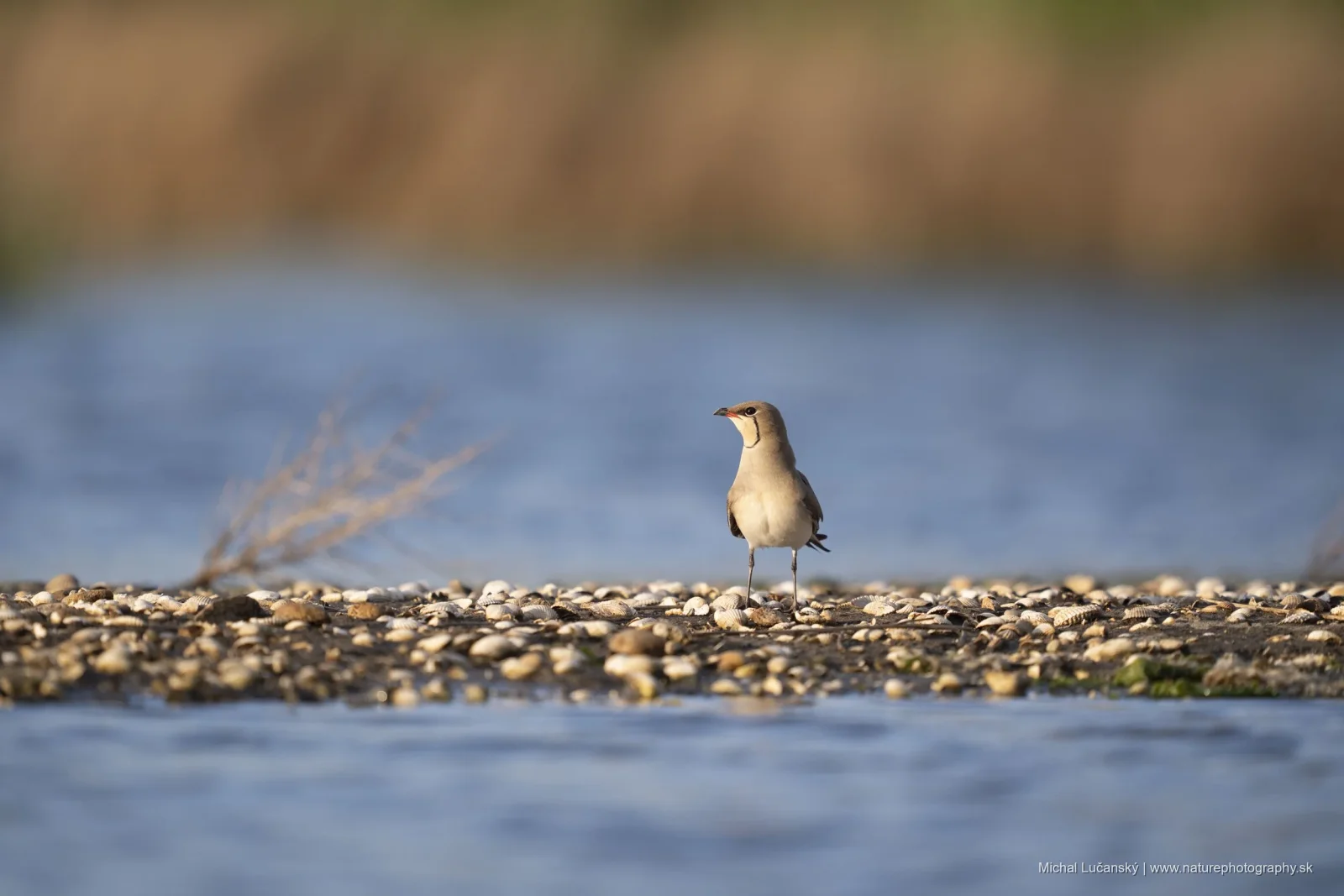
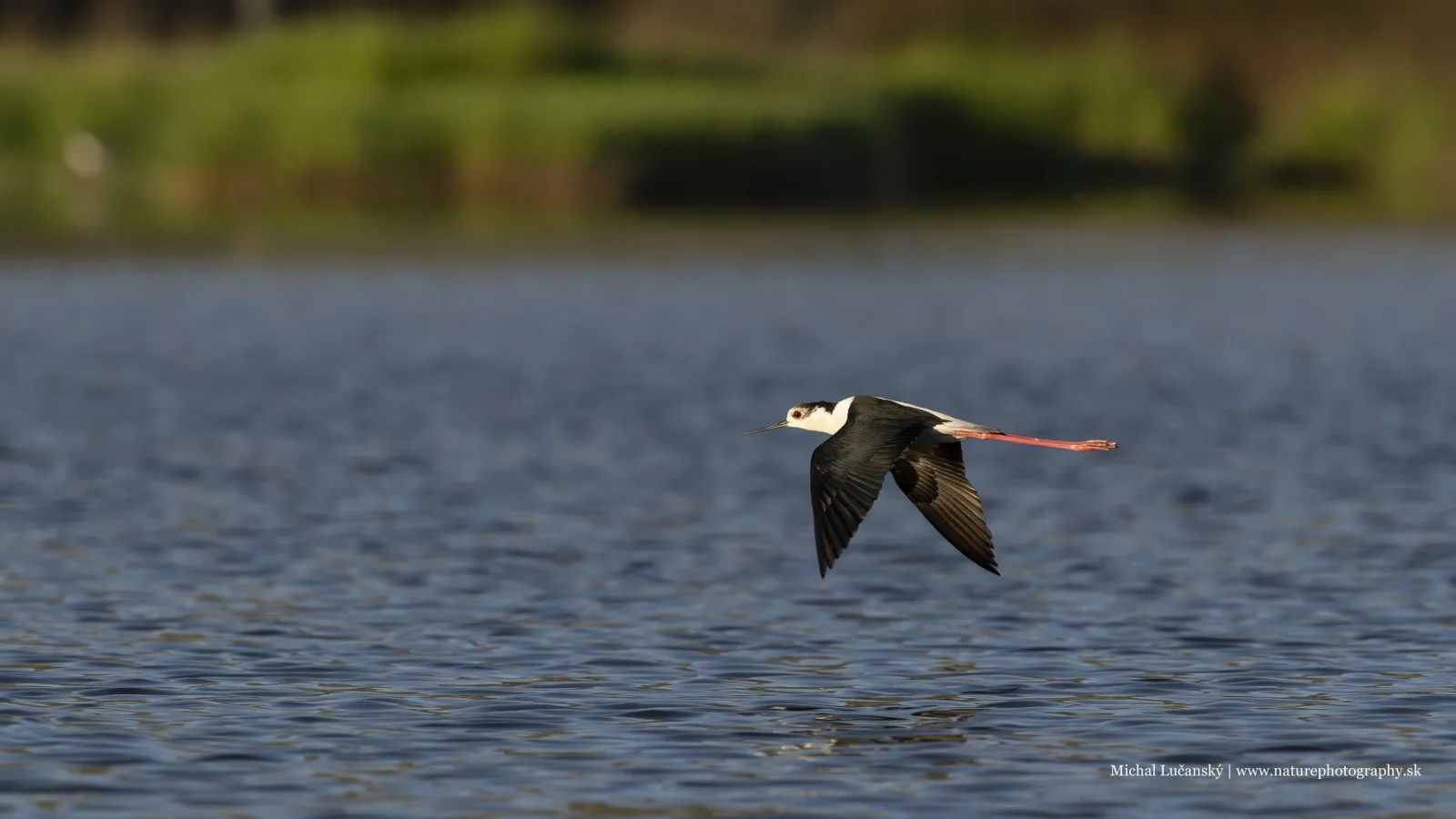
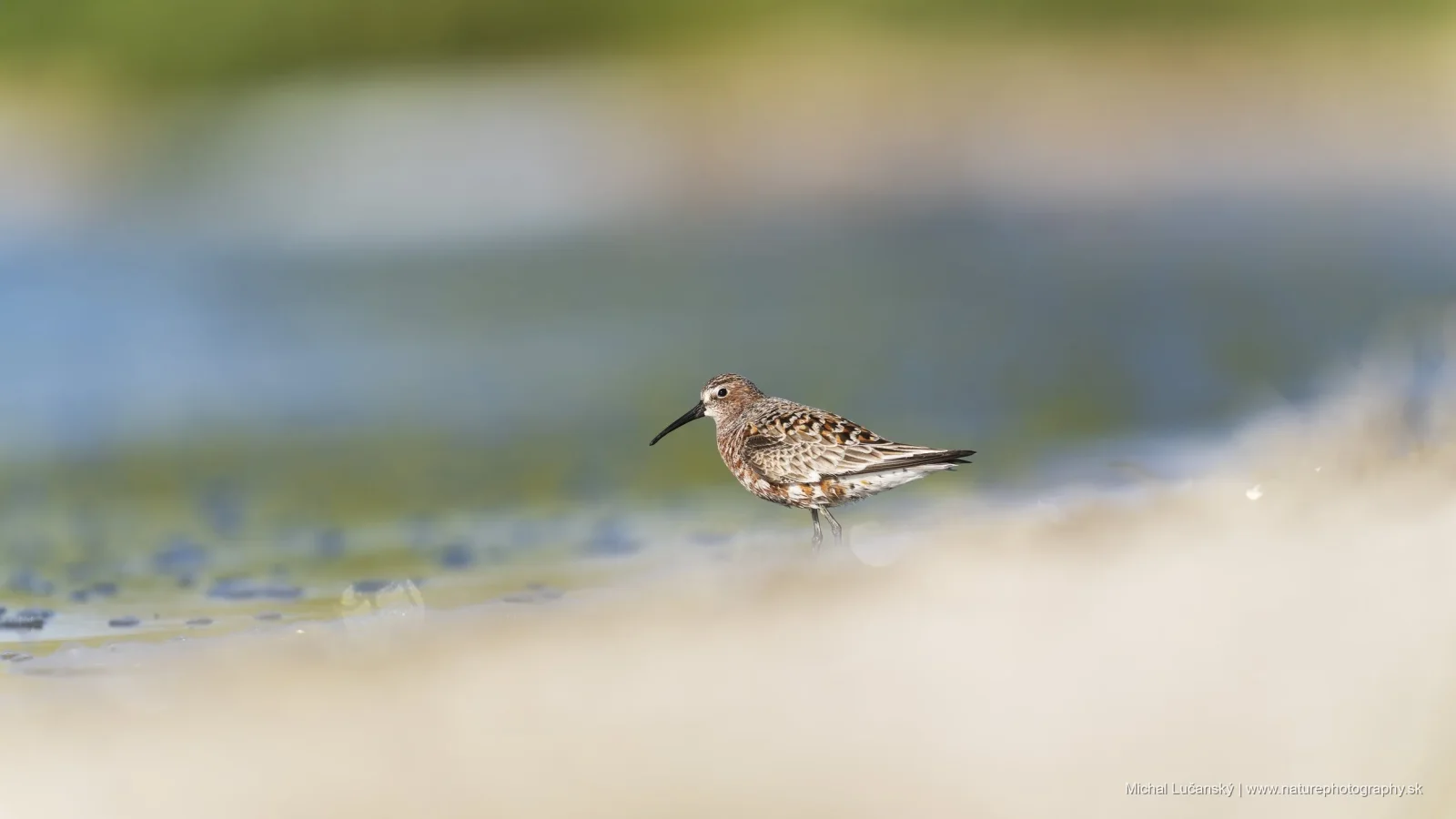
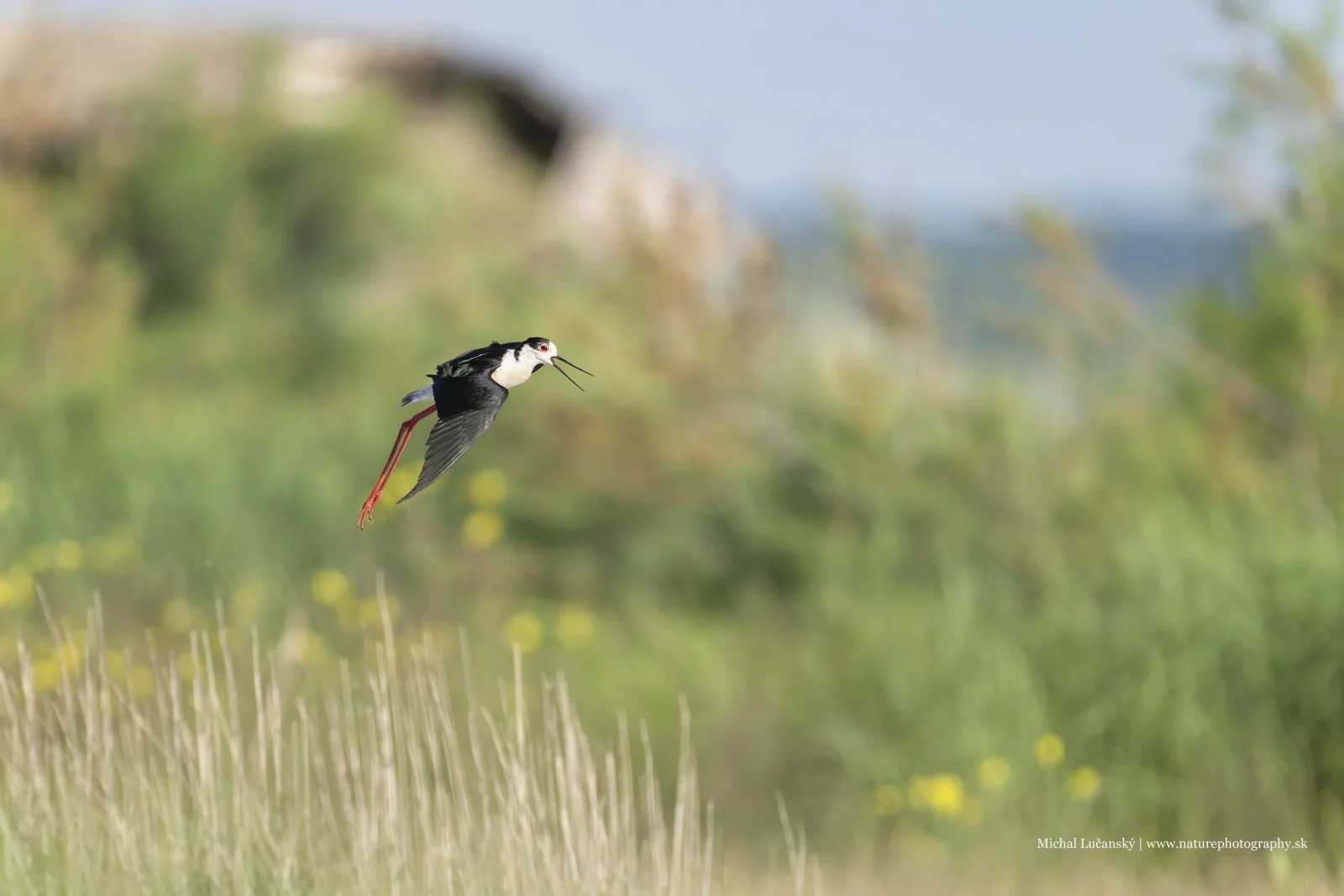
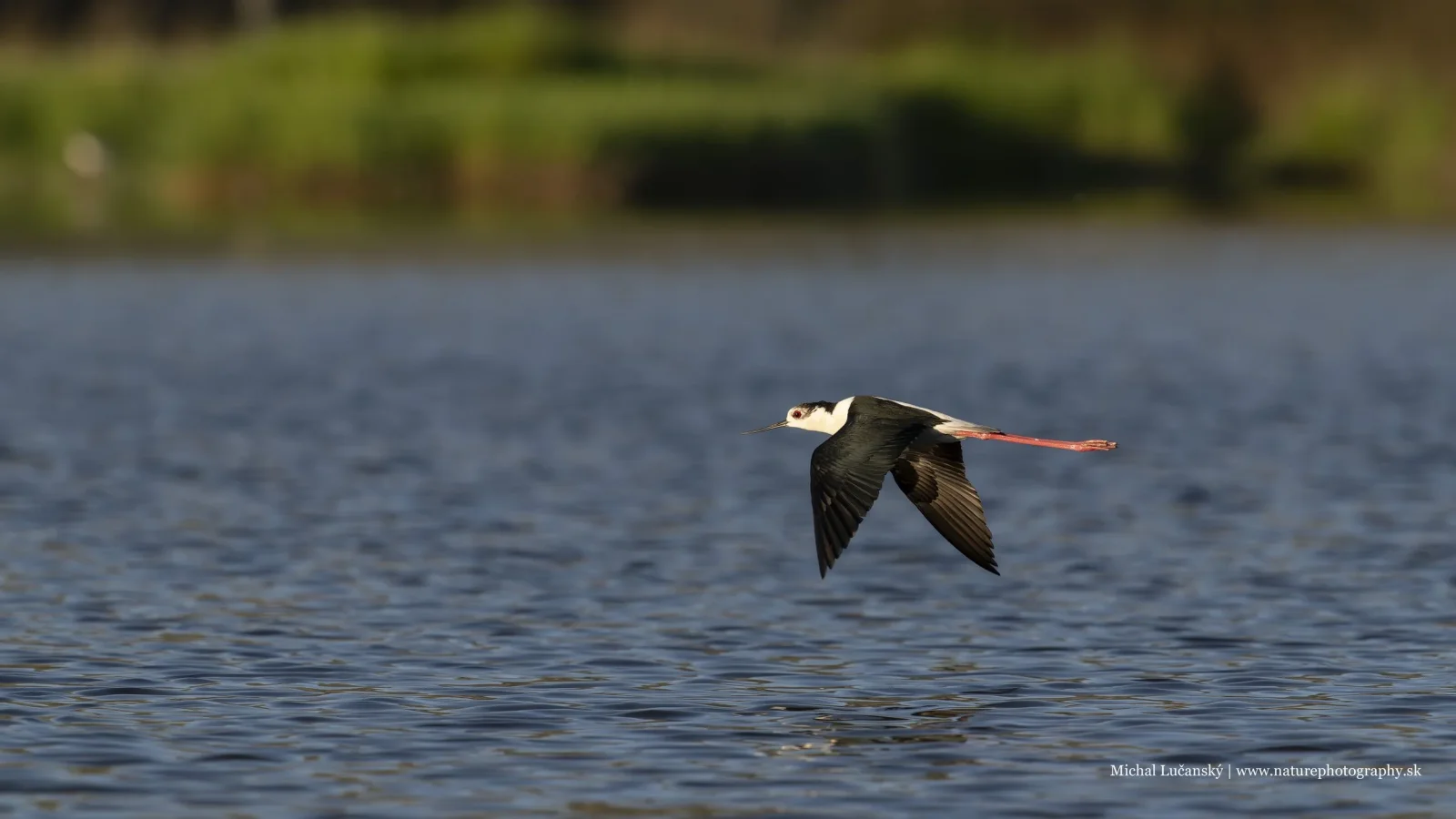
Although the flamingos, our main target, stayed out on the huge expanse at a distance too great for a quality shot, we didn’t let that put us off. Working at the salina was an exercise in patience and minimalist composition. With telephoto lenses we focused on fleeting silhouettes – the elegant lines of the collared pratincole or the fearless black-winged stilts strolling over the crystallising salt crusts. We tried to capture the birds as small dots in a vast space, emphasising the grandeur of this wetland.
After a demanding but visually rewarding hunt at the salina, we crossed the border into Albania. It was a change not only of geography but of mindset. We had left a part of the Balkans with stricter rules and entered a world ruled by the aesthetics of chaos.
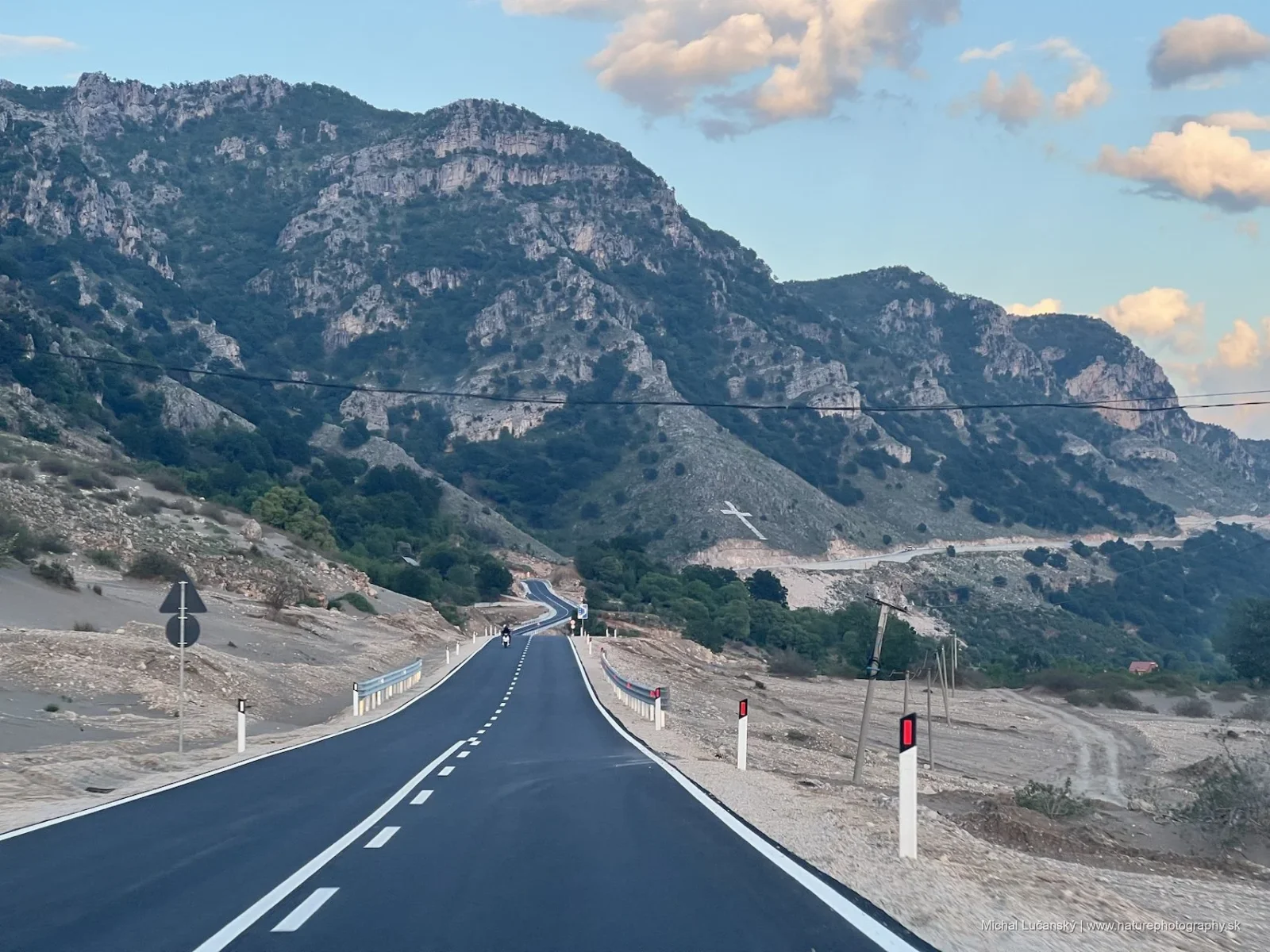
Traffic rules here are more of a rough guide, horns serve as the main means of communication, and overtaking at the most unexpected moments is part of the daily rhythm. This culture shock was an interesting challenge for a photographer: you had to switch quickly from contemplative nature photography to dynamic documentary work. In the end, though, the road carved into the hillside above the sea won us over with breathtaking views of the azure Adriatic, a stark contrast to the litter along the roadsides. The final stretch took us to the town of Shëngjin.
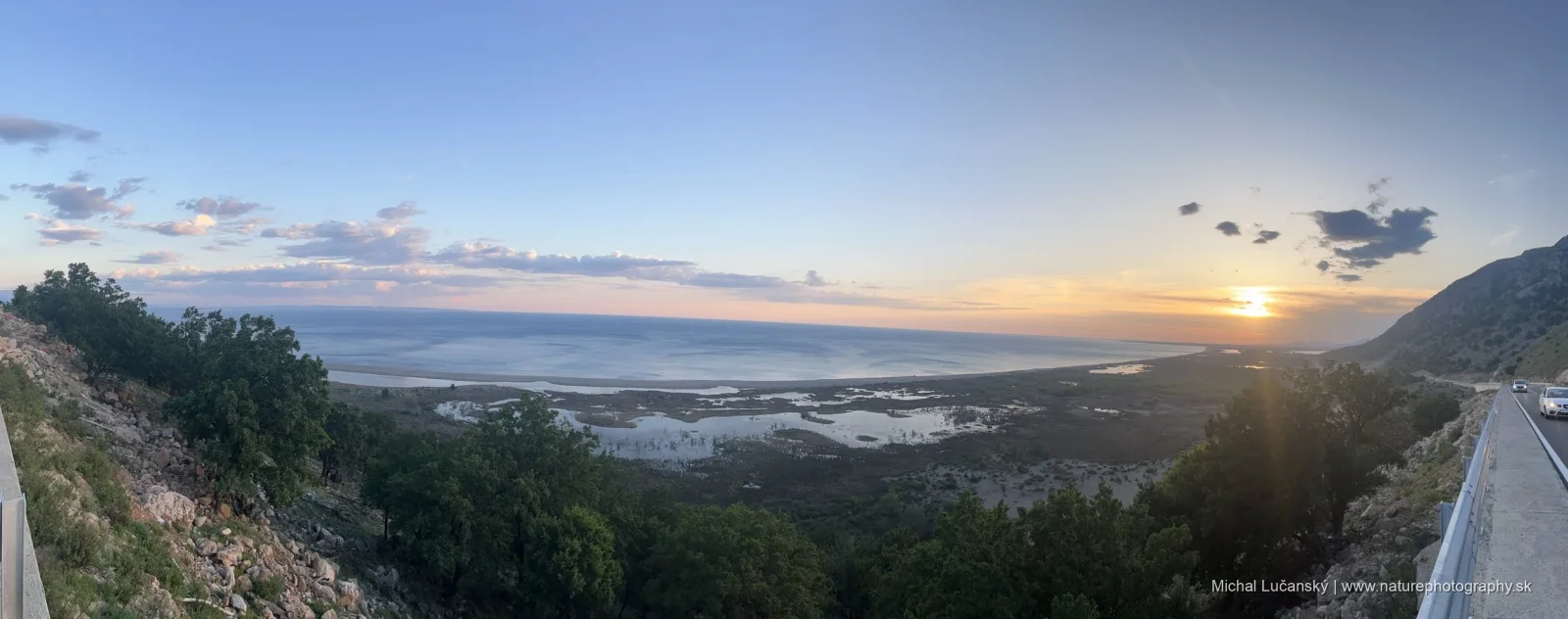
Shëngjin greeted us with a contrast between concrete development and wild nature. Right next to it lies the Kune-Vain-Tale lagoon system. It is a complex wetland area of channels, sand dunes, salt pans and coastal pine forests. It was the first protected area in Albania (designated in 1940) and historically served as a private hunting reserve for the Italian elite, which paradoxically helped preserve its unspoilt character. Today it is an important area for fishing and for migrating birds.
On the very first morning we set off to explore the lagoons. At first we came across spoonbills and herons, but the flamingos remained elusive. Our attention, however, turned to a unique urban wildlife phenomenon. While looking for the best spots, we found a colony of European bee-eaters (Merops apiaster). These colourful birds had dug their burrows in a sandy bank just a few centimetres from the crash barriers of a busy road.
This scenario presented a fascinating visual contrast: one of Europe’s most colourful birds nesting right next to asphalt and concrete.
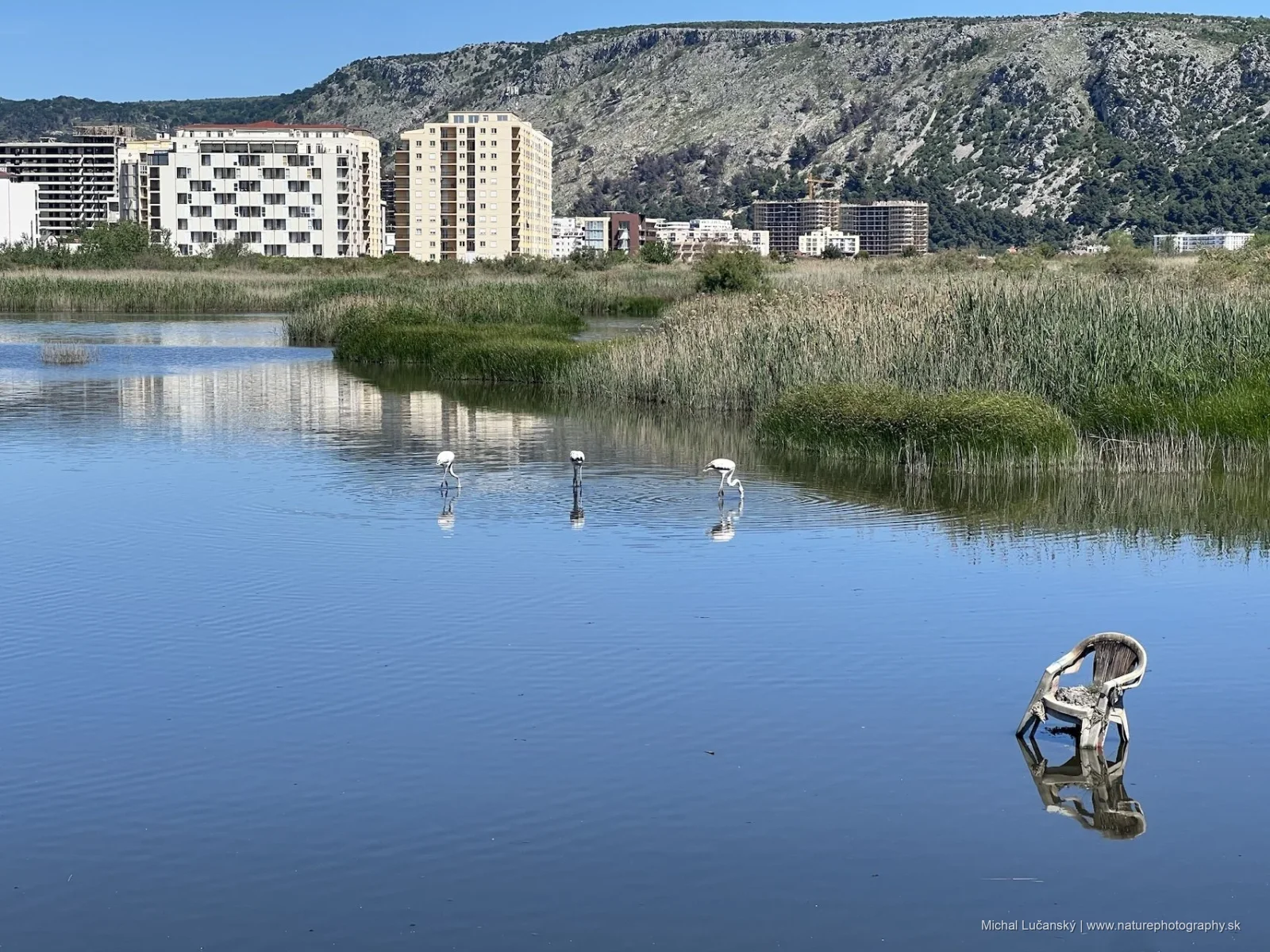
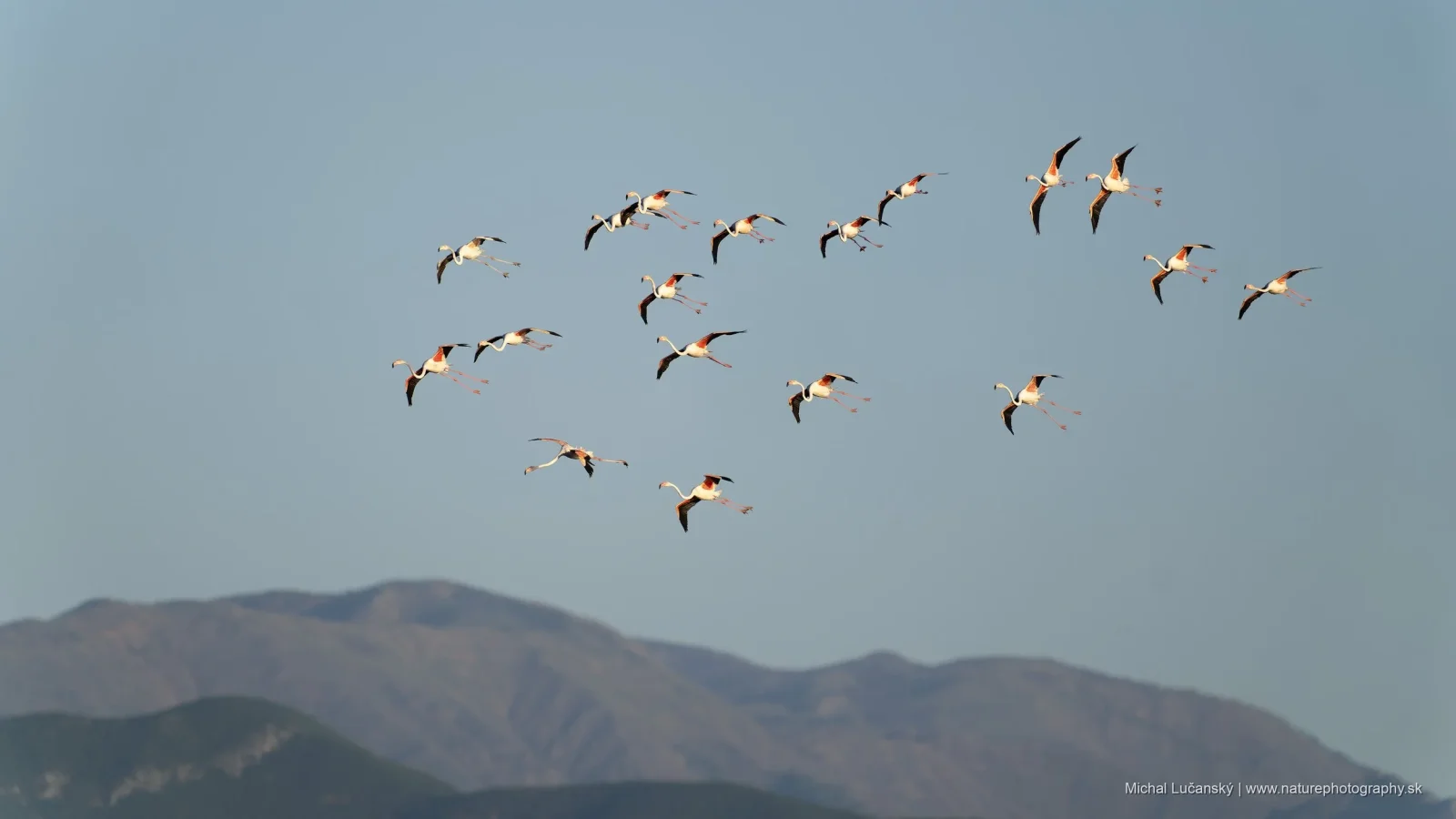
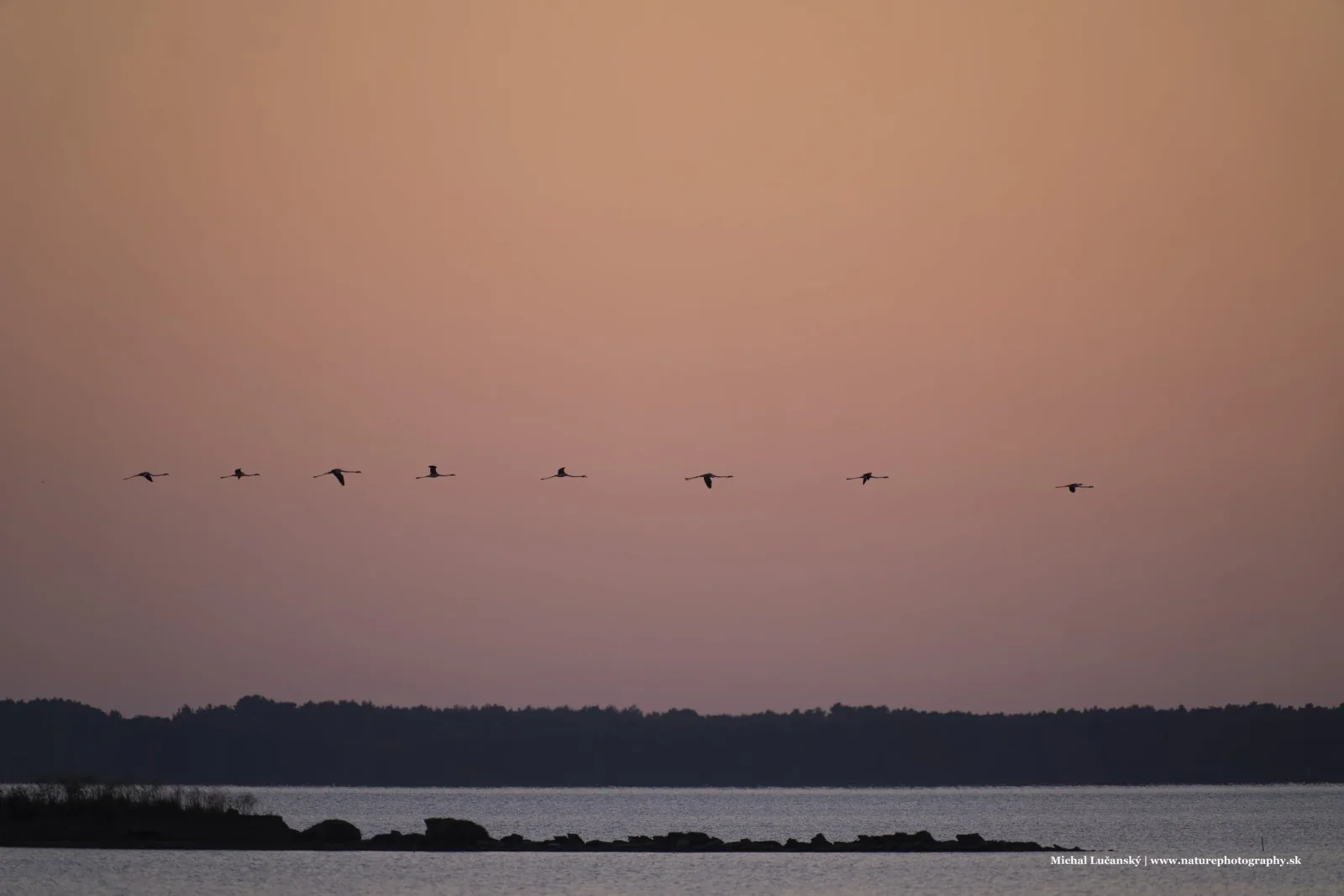
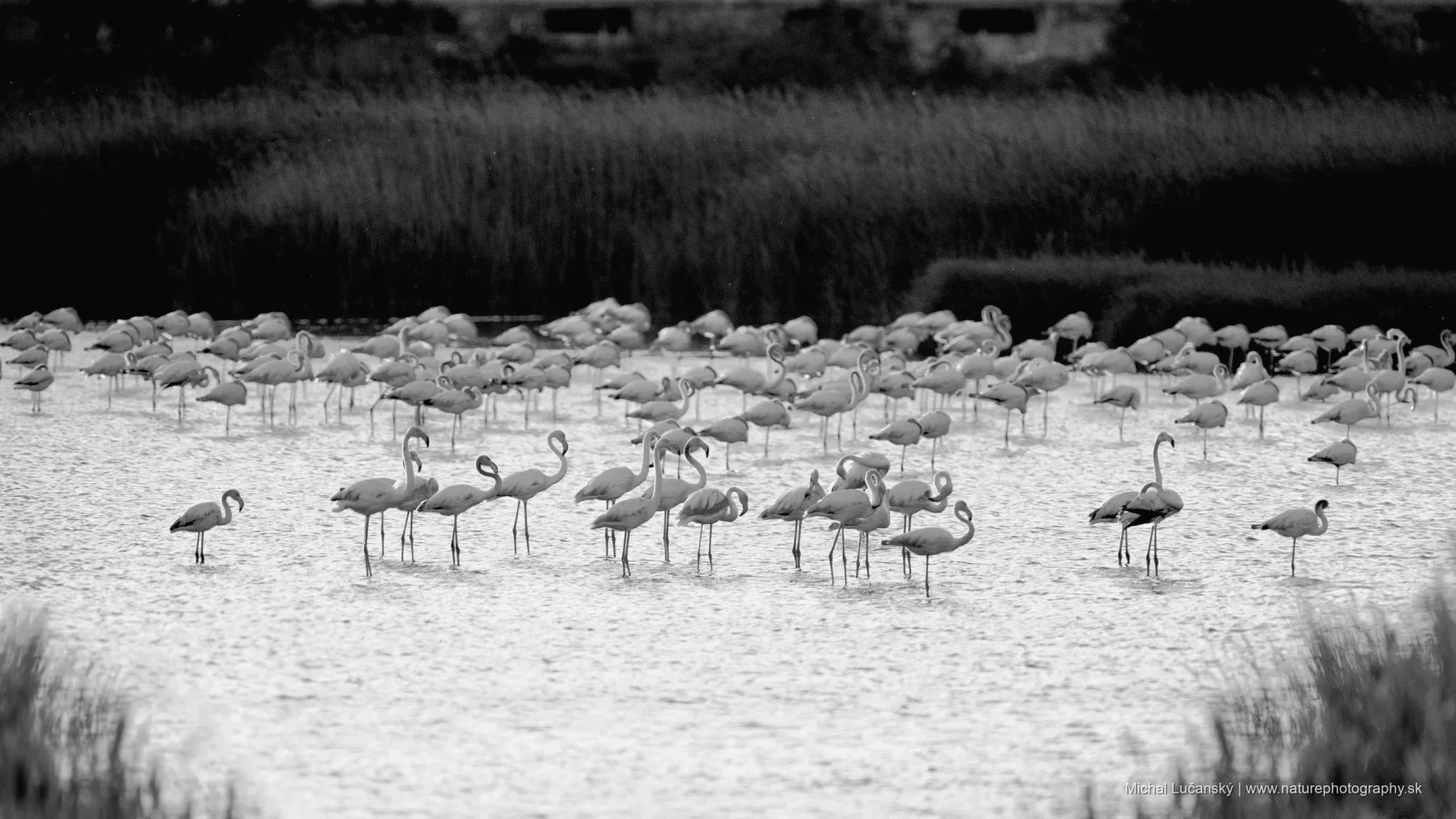
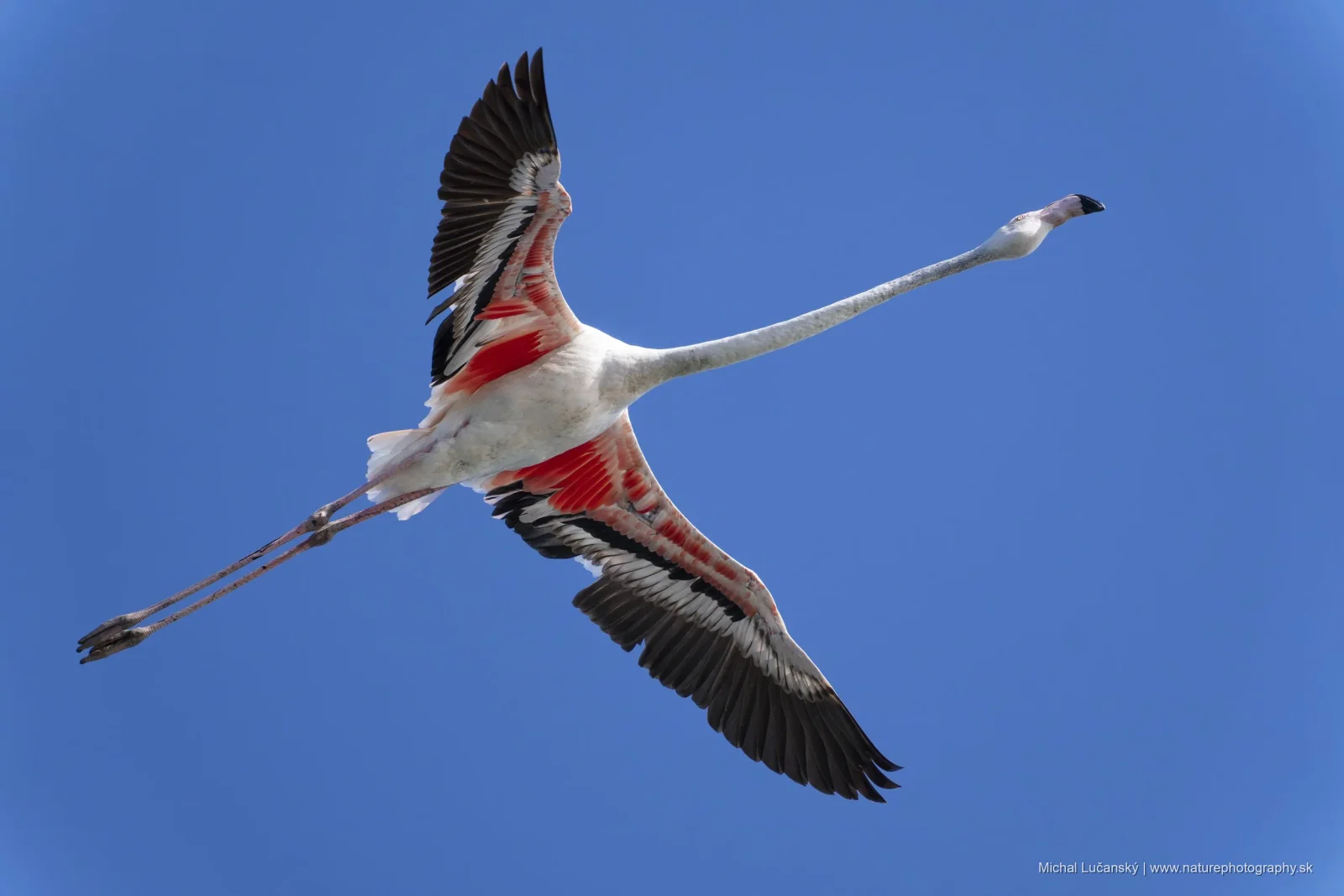
It was only on our way to lunch that we finally spotted the silhouettes of poetic flamingos in a large lagoon. Shooting at high noon wasn’t ideal, so we spent the time observing and preparing for the late afternoon.
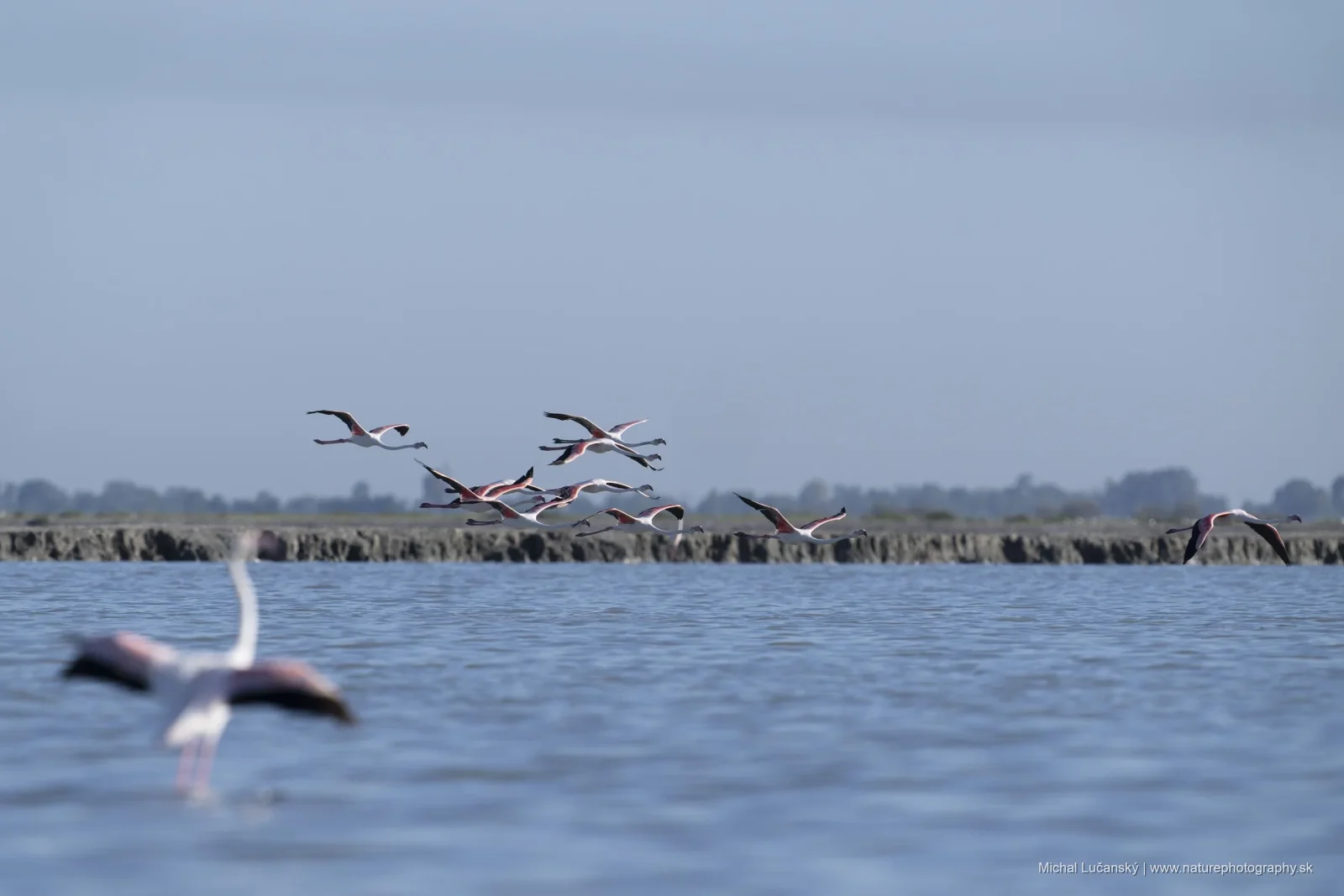
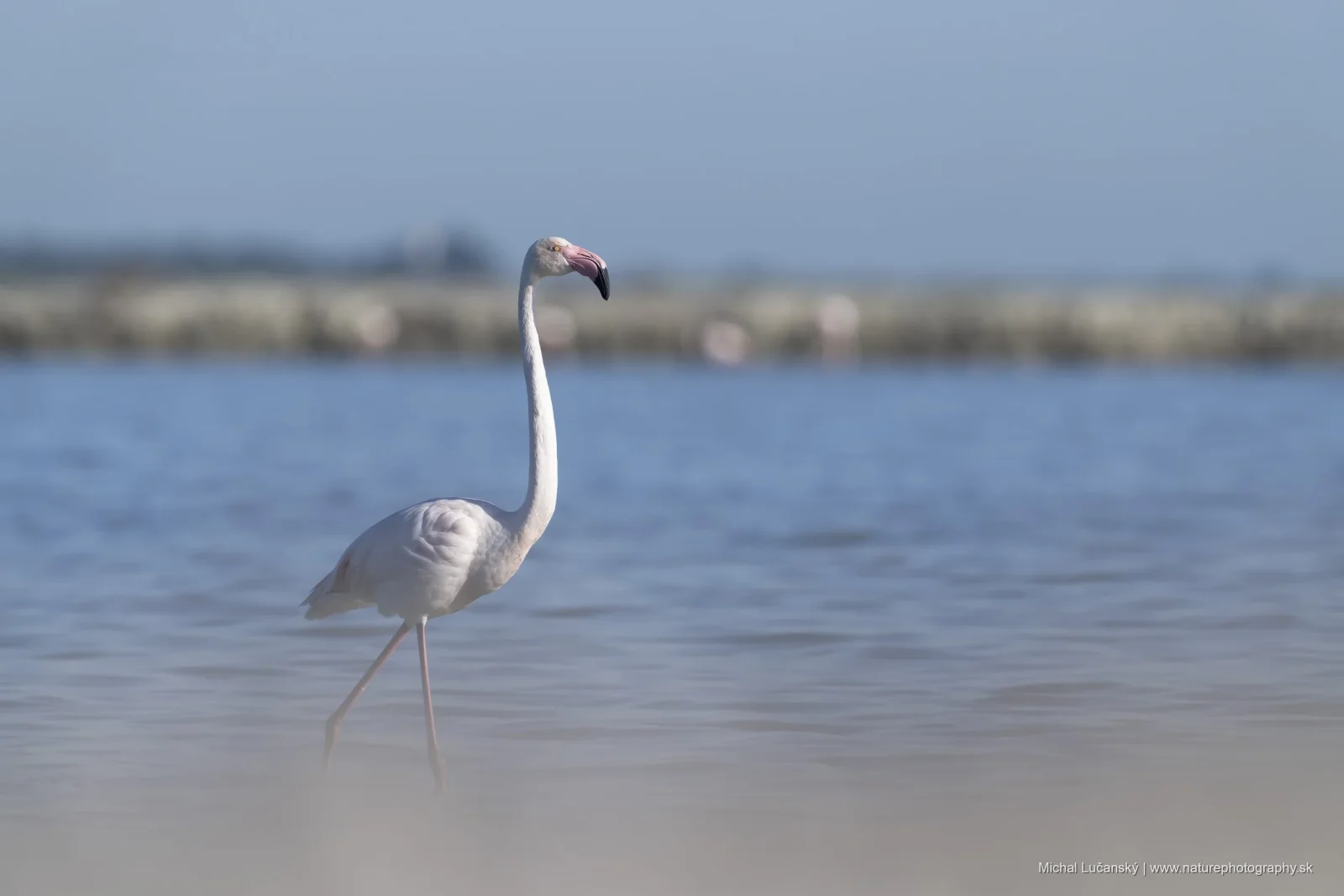
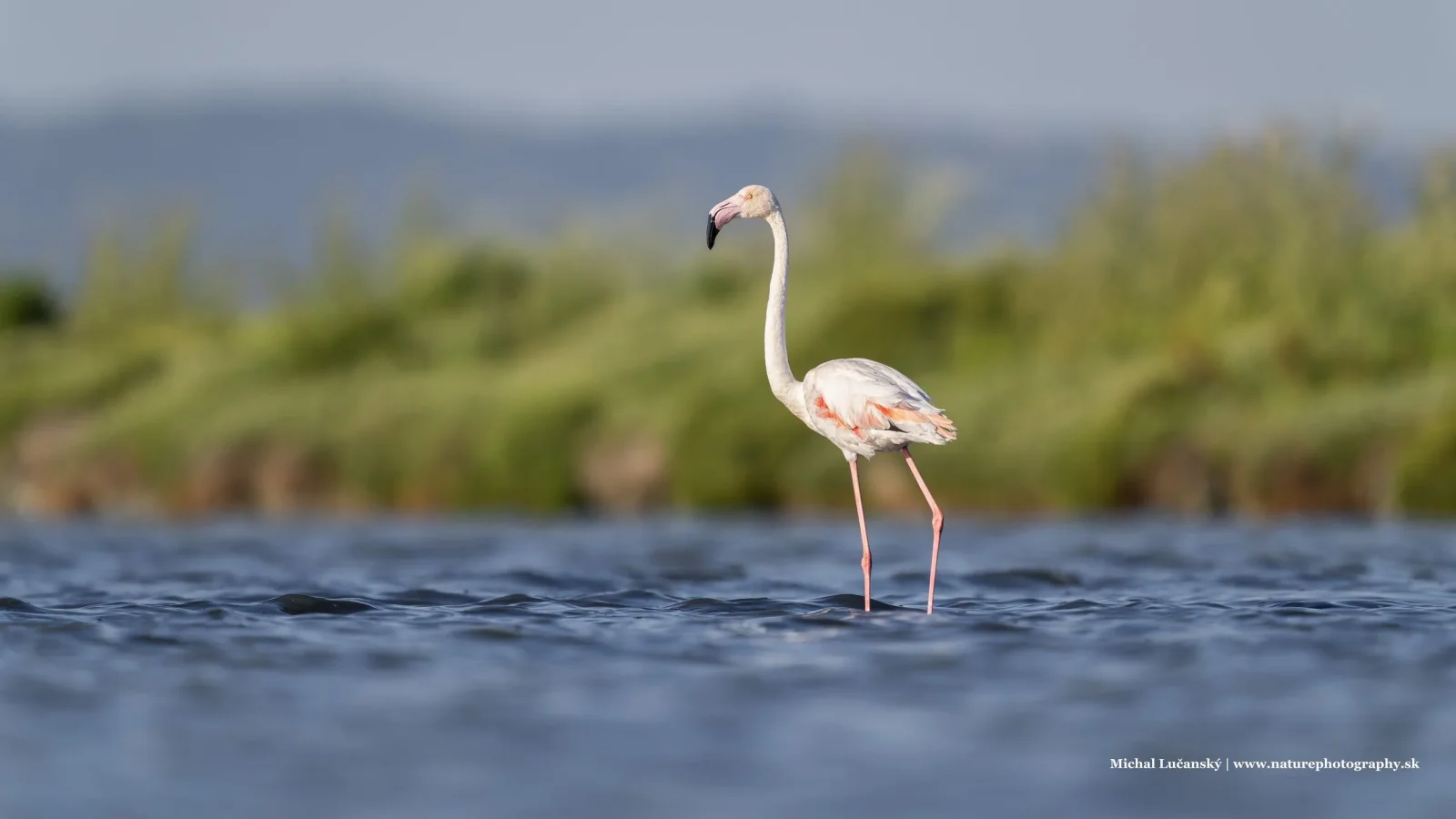
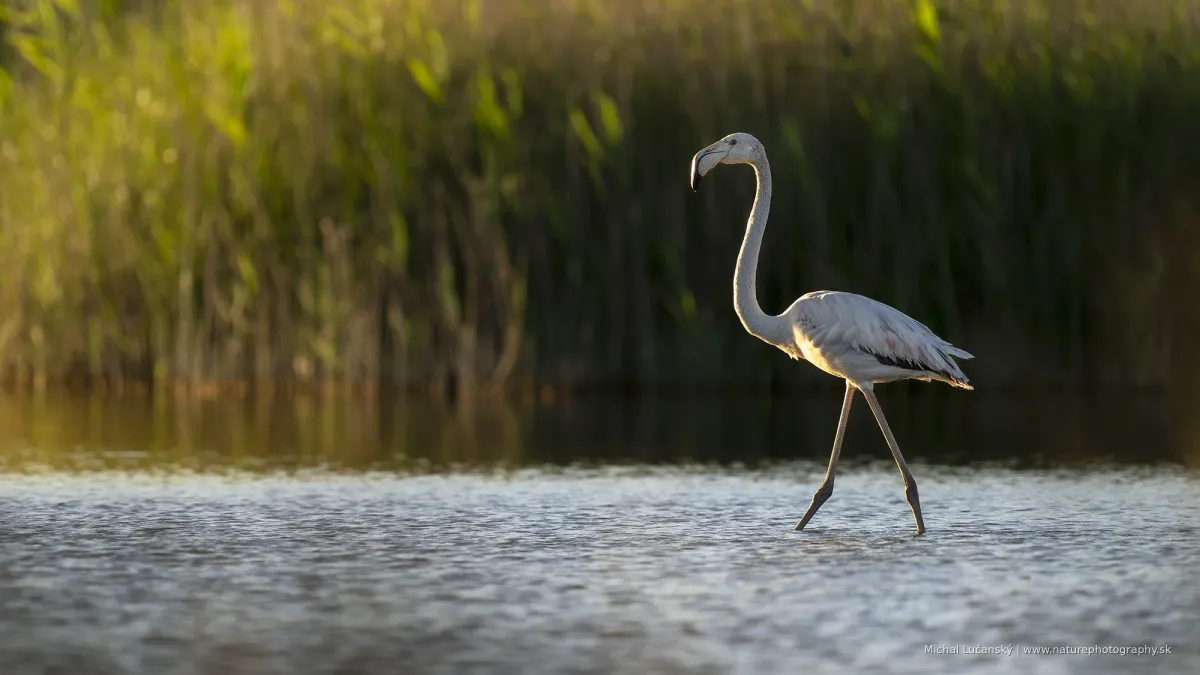
My aim was to take authentic urban wildlife photographs. We managed it at the large lagoon, where the flamingos had half-built hotels and cranes in the background. In the evening we settled into a makeshift hide, but the flamingos stayed out of range. After a long wait we finally gave up on the hide and started walking along the road around the lagoons. Unlike strict static observation, our movement didn’t bother the flamingos in the slightest. They stood in the water filtering food and making quiet, nasal sounds. It was this very visual dissonance – the pink ballet of flamingos against the outline of concrete development in the background – that created a powerful story about present-day Albania, which we could at last begin filling our memory cards with.
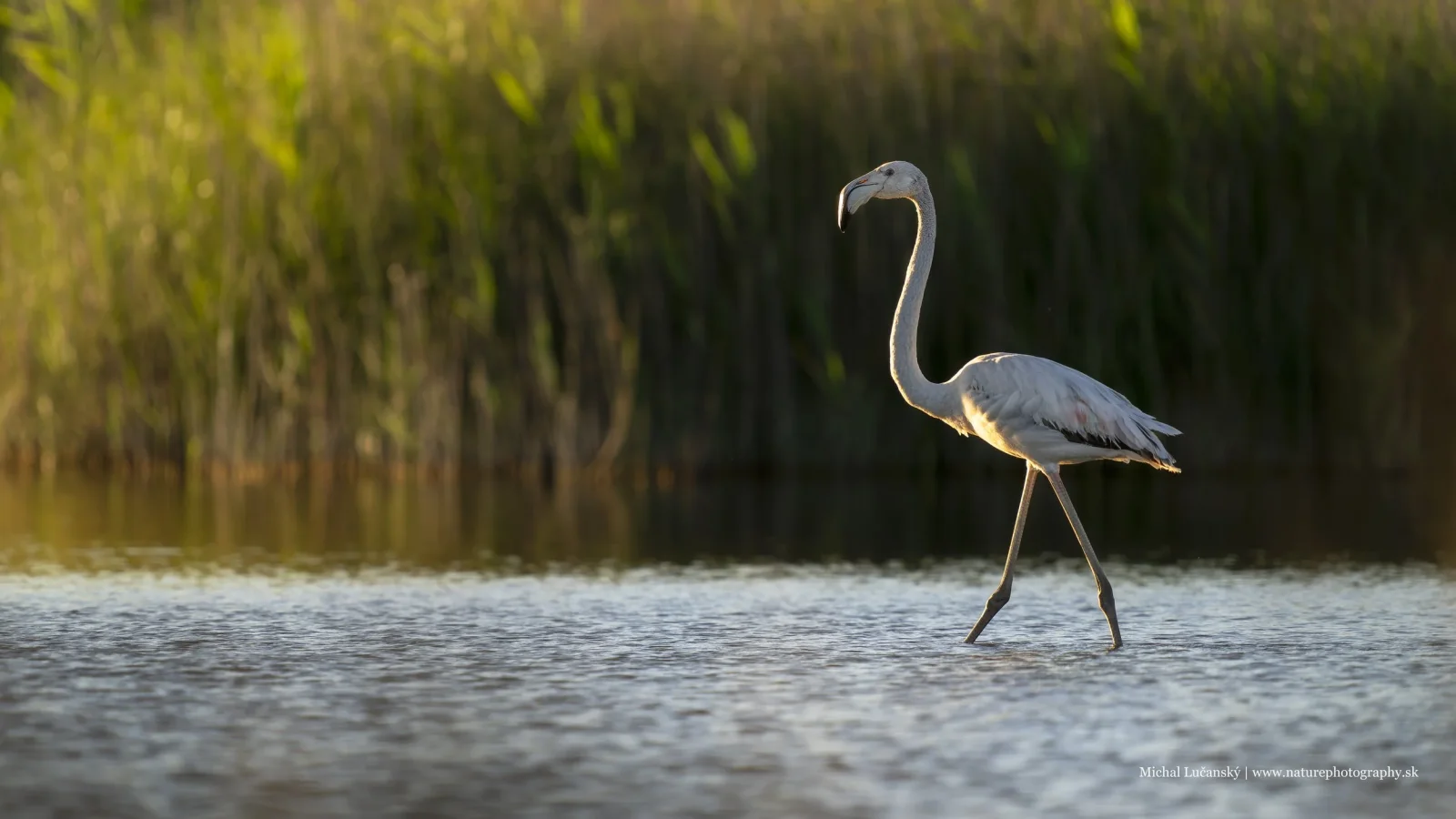
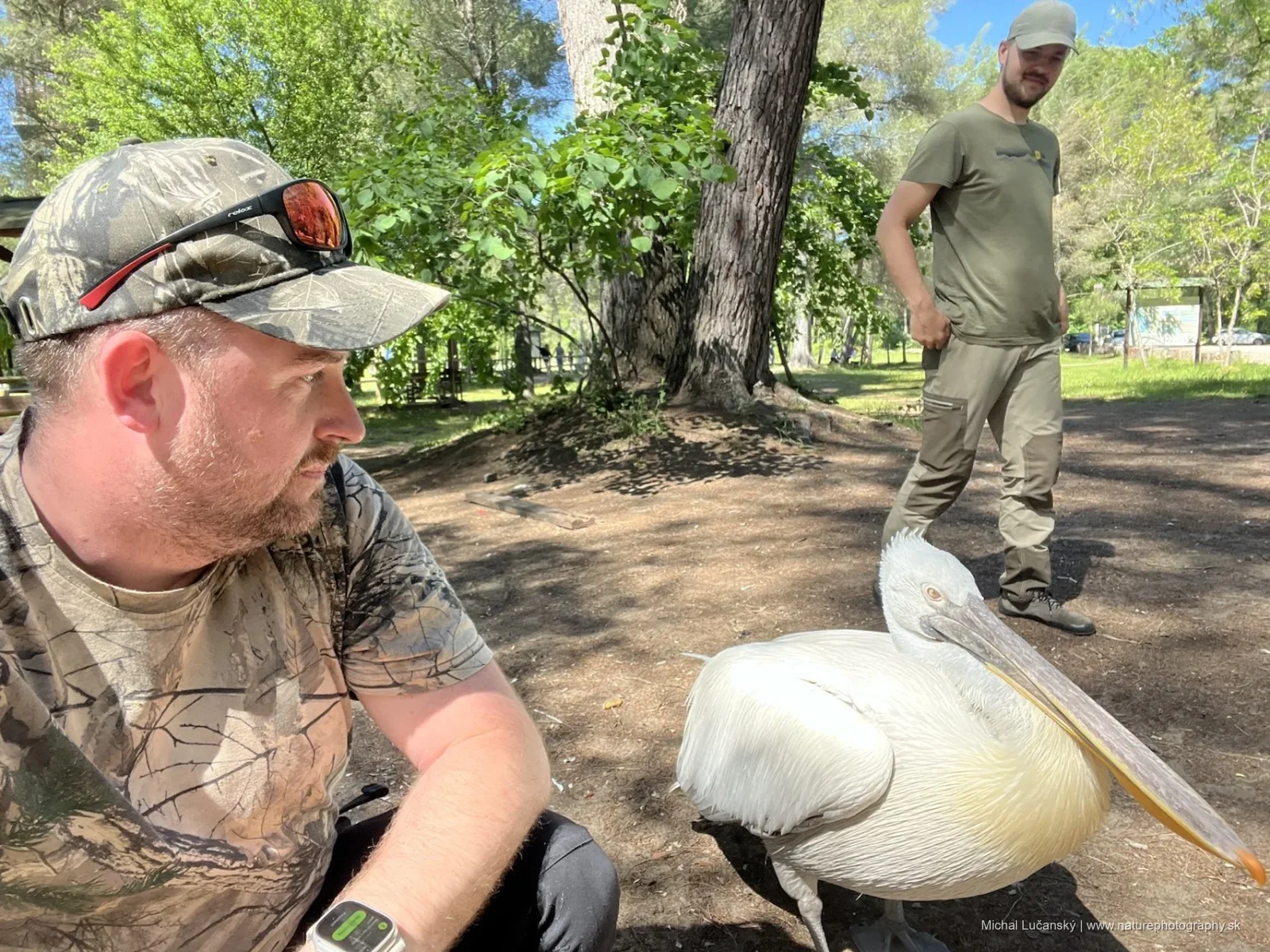
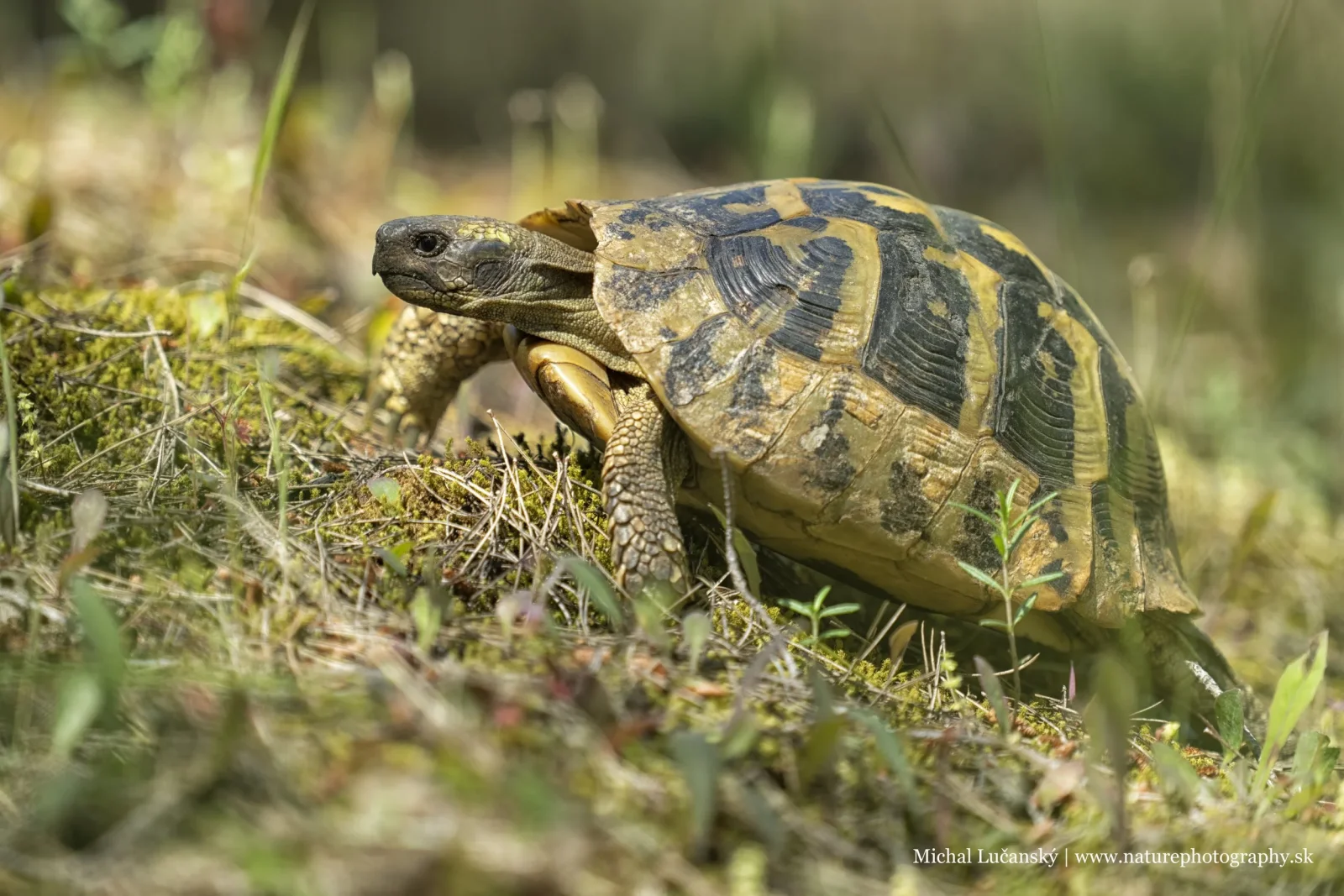
Moving on to Divjakë–Karavasta National Park meant a trip to the largest lagoon in the country (4,330 hectares). The lagoon is one of the last breeding sites of the Dalmatian pelican in Europe. During our stay, in the middle of the day and in high temperatures, the local pine forests at least revealed some Hermann’s tortoises to us.
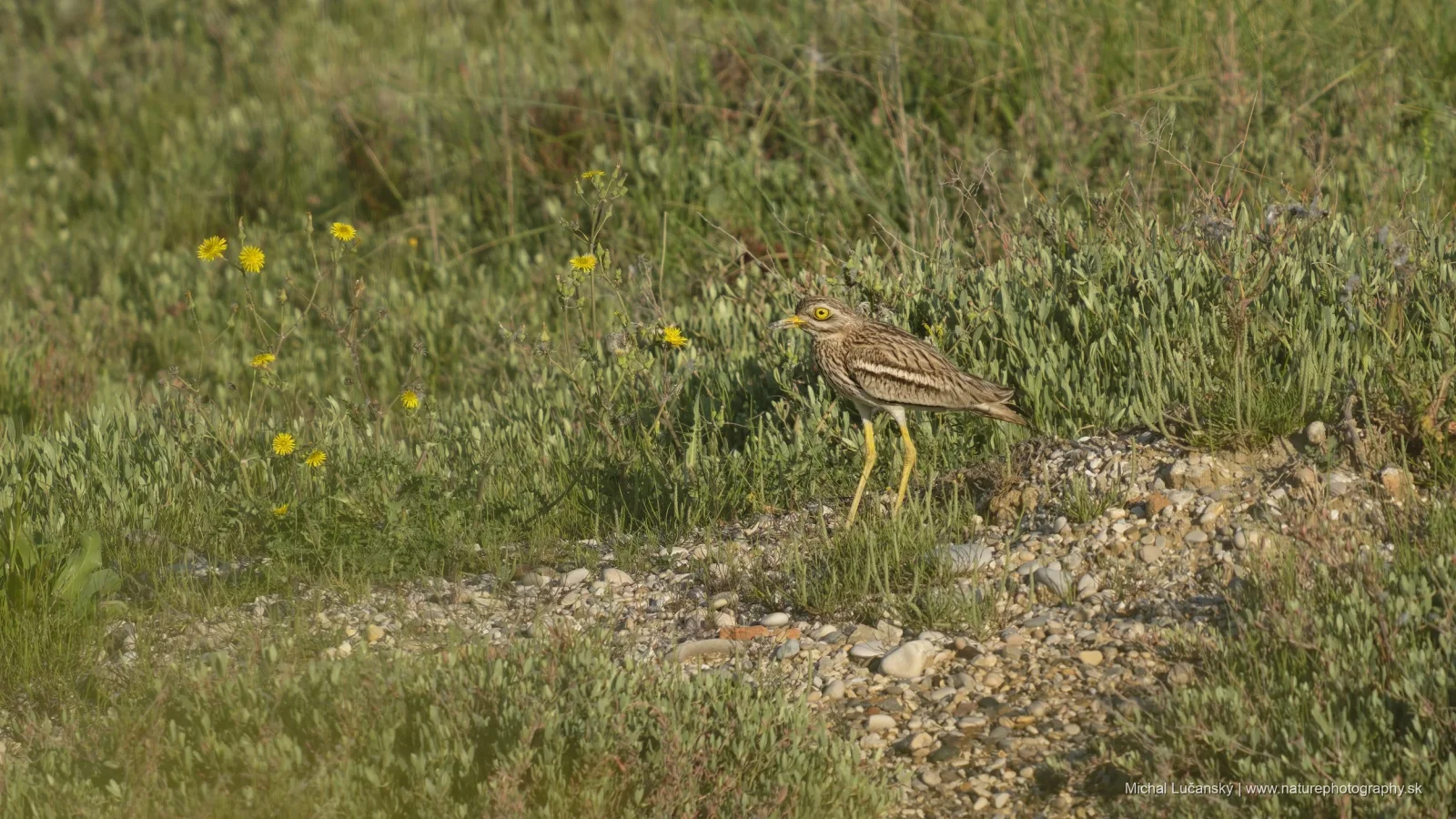
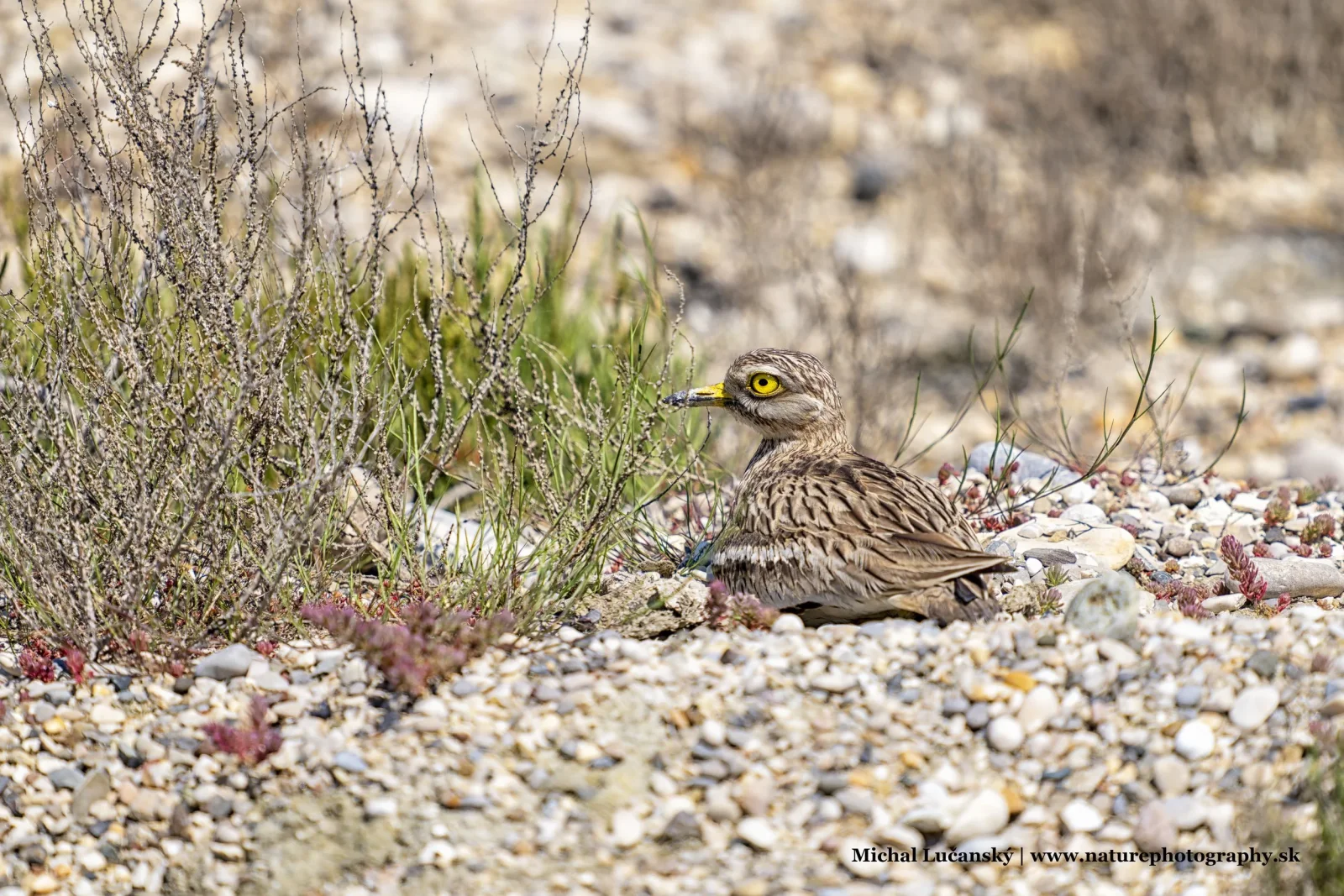
The absolute highlight of the expedition, however, was the Narta Lagoon near the city of Vlorë, the second-largest lagoon in the country. Besides its natural riches, the place also has a cultural dimension – on the island of Zvërnec in the middle of the lagoon stands a 13th-century Byzantine monastery. It was here that huge flocks of flamingos regularly moved about. Among our top finds were the nest of a Eurasian stone-curlew (whose camouflage blended perfectly with the stones) and a stern little owl living under a stone bridge. Watching and photographing these scenes, as the pink plumage of hundreds of flamingos mingled with the orange sky above the salt pans, was photographic nirvana for us.
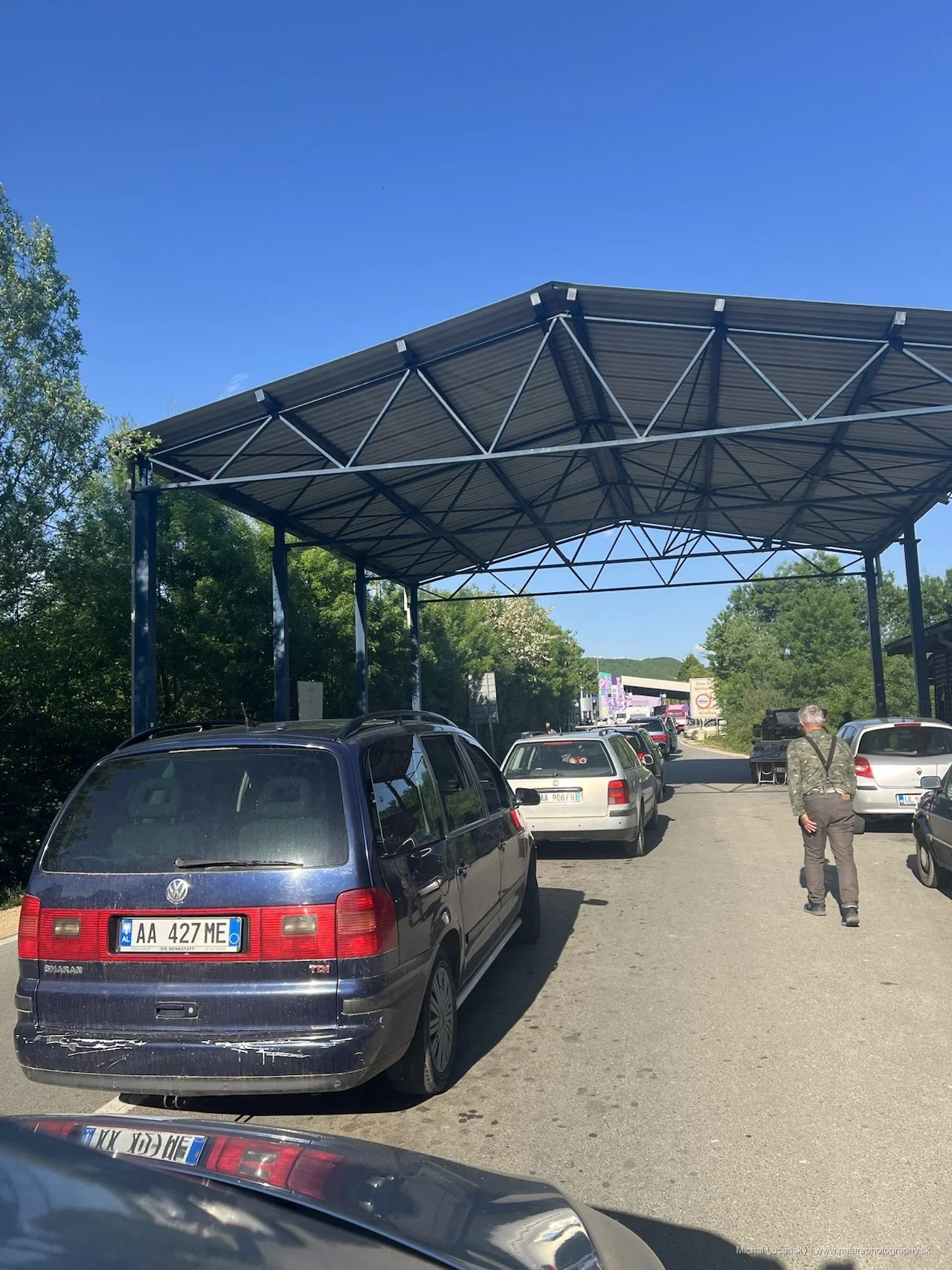
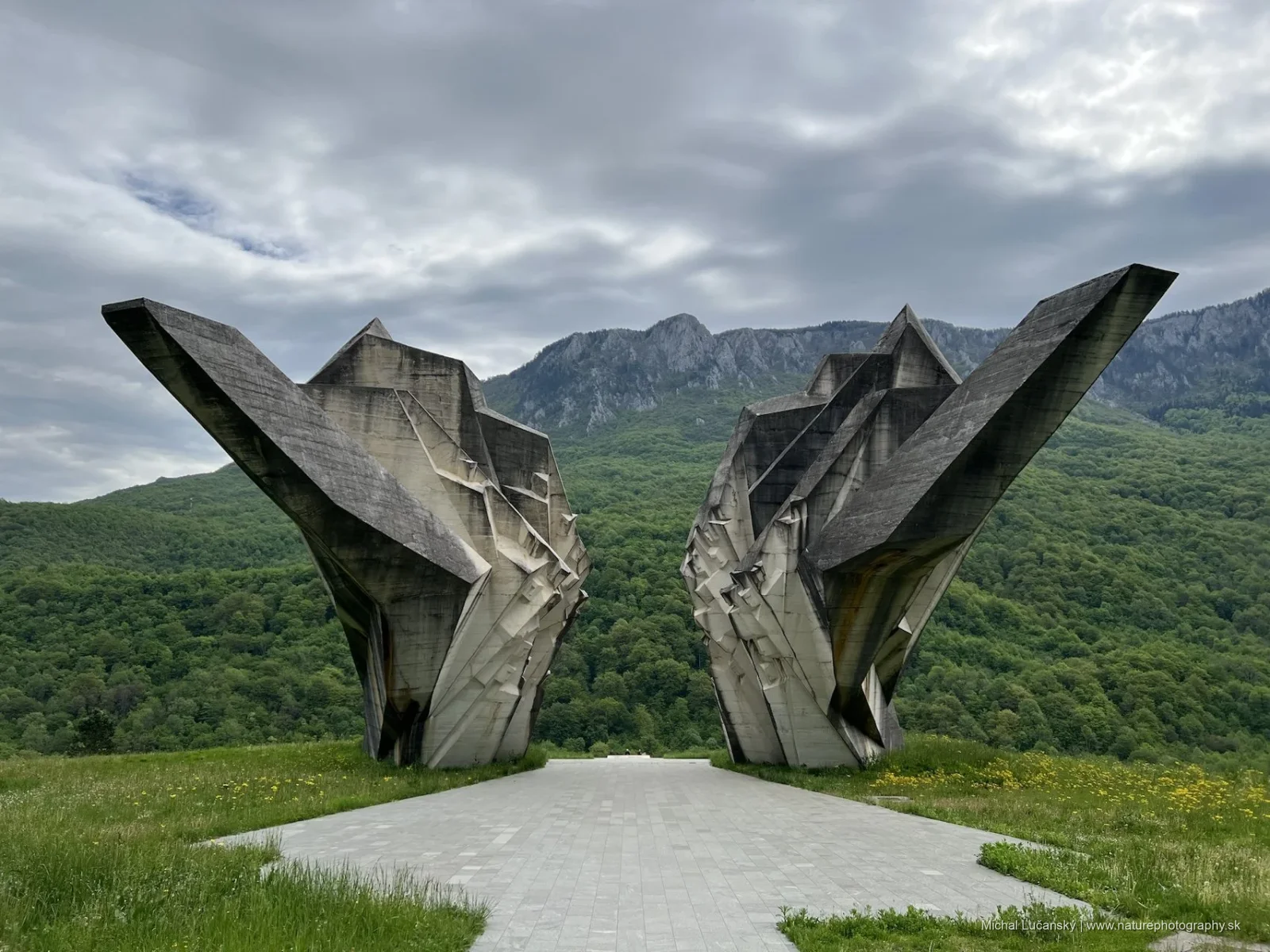
Our journey home took us through Sutjeska National Park in Bosnia. Passing through the Perućica primeval forest, one of the last two primeval forests in Europe, where trees reach up to 300 years of age, was majestic. We also paused to remember history at the memorial to the Battle of the Sutjeska (1943). The contrast between the teeming life of the primeval forest beneath Maglić peak (2,386 m above sea level) and the reverent silence of the memorials was a powerful finale to our journey. The last stage meant nothing more than a long, four-hour wait in the queue at the Croatian border before re-entering the Schengen Area.
This almost ten-day odyssey wasn’t just about pressing the shutter, but about searching for stories in a land that isn’t afraid to show its rugged face. The Balkans are a place of extremes – from monumental feats of engineering on the River Piva, through the untouched primeval forests of Sutjeska, to the chaotic urbanism of Albania. For a photographer it is an endless playground.
We didn’t just bring home memory cards full of shots of rare vipers, elegant flamingos and majestic pelicans. We brought home the knowledge that the best shots happen where you least expect them – whether it’s a bee-eater by a crash barrier or a flamingo in front of a half-built hotel. This journey taught us patience, humility before the power of nature and the ability to see beauty even in the imperfection of a region in transformation. The Balkans have got under our skin, and there’s no doubt our lenses will be pointed this way again.