“Winter” Photography of Birds at the Feeder
Winter is ideal for photographing birds at feeders. Even without snow, our hide gave us great tits, a nuthatch, a brambling, a treecreeper and even a goldcrest.
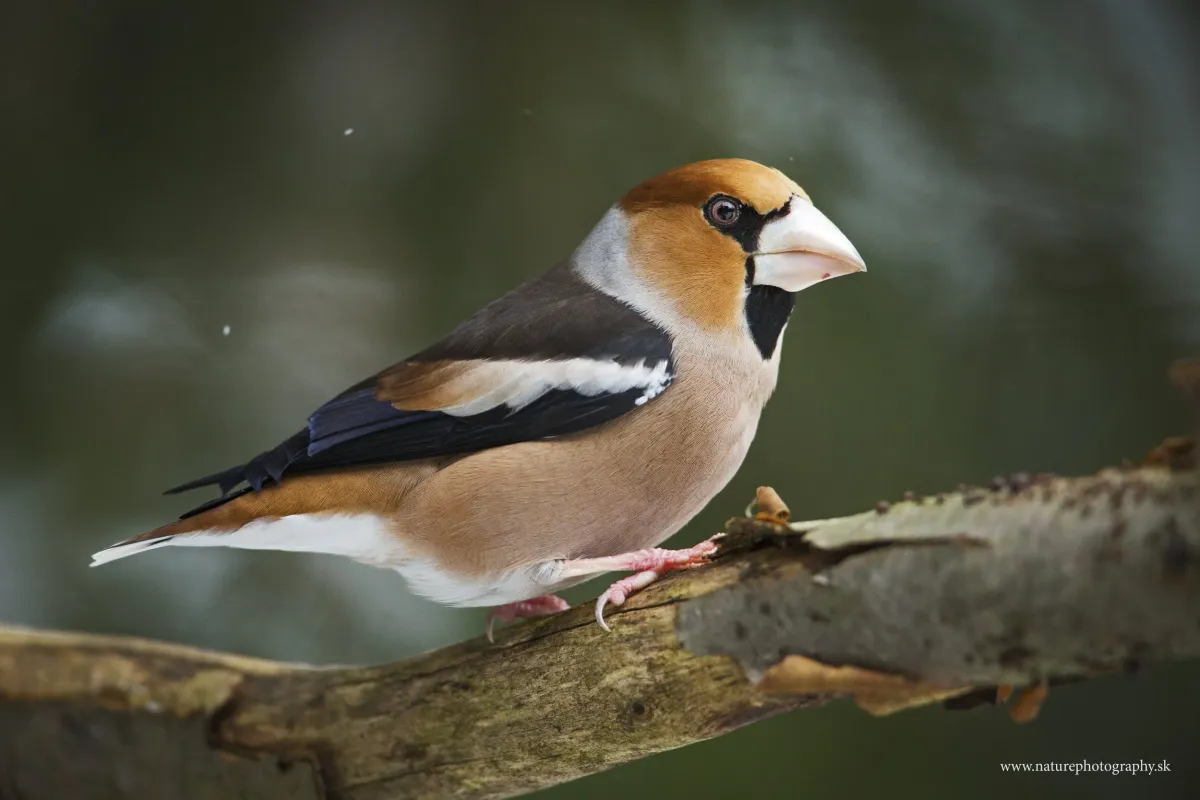
Winter is the ideal time to photograph birds at feeders. It goes hand in hand with helping our feathered friends through what is a hard time for them. We, in turn, get the good feeling of making their lives a little easier, and the chance to watch and photograph a wide range of diners in a relatively small space.
Because of my job I can’t keep a feeder going all the time. So I was pleased to hear from a fellow photographer that he and his brother had set up a large-capacity feeder at their cottage.
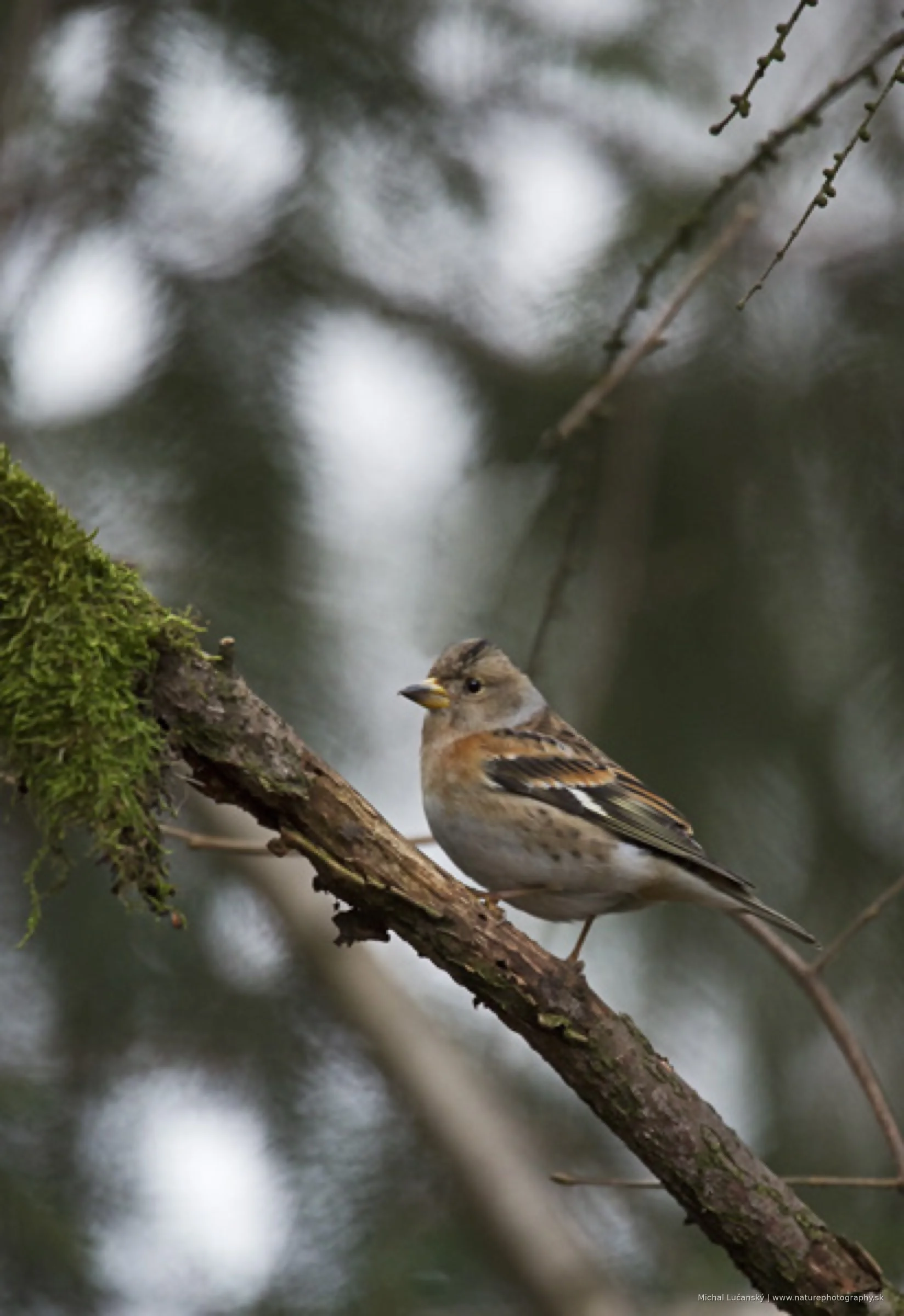
So the feeder was ready; all that was left was to wait for wintry weather. But the wait for Mother Frost seemed to go on forever, so we decided to go and shoot even without snow. As soon as we arrived, we were welcomed by curious great tits. After a welcome like that we didn’t waste any time and quickly put up our Ameristep hide tent. It was our first session in it. As there were two of us, I wasn’t entirely sure we would both fit inside along with our tripods and the rigs on them. After a few minutes, though, we managed to take up our “firing” positions, and the diners didn’t keep us waiting long. The first scouts were, as expected, great tits. Later the “bluies” – blue tits – joined in too. The first day of shooting went by with hardly any changes to the “studio”. Towards the end, though, we put moss on the chosen twigs where the birds used to perch before flying on to the feeder. The new element caused a brief lull in activity. But the first brave “major” – a great tit – broke the ice and we were back in the thick of the action. Apart from the tits, shyer visitors gradually began to appear too. The first was a nuthatch. It posed perfectly, the way perhaps only this species can. Later, though, an unexpected “tourist from the north” arrived. A brambling settled on a twig, struck poses straight out of a field guide, preened its feathers, pecked a few bits of sunflower seed and flew on. Just as the brambling left, the light dropped to a minimum, so we packed up too.
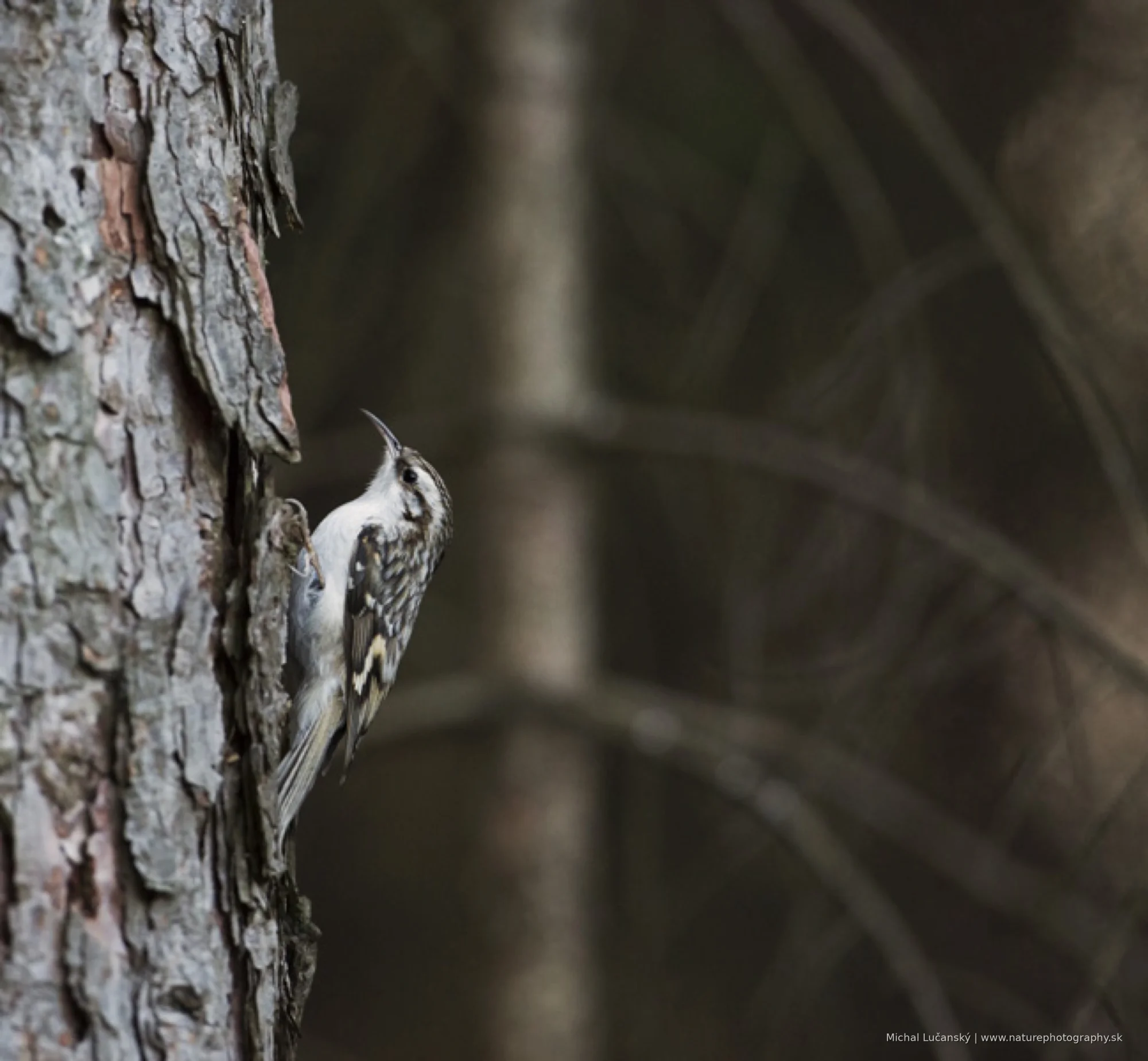
Encouraged by the success of the first day, we arranged another session. This time setting up went without a hitch. The tit merry-go-round started up again. As we already had plenty of portraits of our diners in the bag, we began to concentrate on somewhat more “action-packed” photography. After quite a while, though, I gave up, because my combination of a Canon 500 mm f/4 IS USM and a 1.4x teleconverter at a distance of about 5 metres wasn’t suited to tracking the movements of these little rascals. Apart from the tits, the nuthatch showed up again, growing ever more curious. Just as we were about to pack up, a small camouflaged oddity flew in and landed on the trunk of the tree holding the feeder. It was a Eurasian treecreeper. Our attention immediately switched to the new subject.
Over the following days the weather wasn’t kind to photography, so we took a break. The break lasted only 2 or 3 days, though. When I was woken one morning by sunny weather more reminiscent of spring than early February, I immediately texted my colleague to ask whether we were going shooting. In less than an hour we were already in the hide. This time I brought a small speaker to test, through which we wanted to play the birds their own calls to attract them. The whole set-up worked nicely. I just need to expand my library of species. We had already observed where our diners liked to perch, so we prepared those twigs to look as photogenic as possible. Once again there was a lull, though, as the novelty apparently didn’t appeal much to the birds. But with the help of the recordings and one brave “major”, the familiar merry-go-round soon started up again. Apart from the tits, new models began to appear too. The brambling didn’t show up again, but in its place came a siskin and later greenfinches as well. These birds were warier than the tits, but in the end they settled where they were supposed to, so we got some nice photos. The last new species to fly in was a goldcrest. We had seen this tiny bird on other days too, but it always hid out of reach. Even the only photo I managed to get doesn’t quite meet the standards I want my photos to have, but at least it added a new species to my collection. We repeated this photo ritual on almost every day off. Later, photos of a marsh tit and a coal tit were added to our collection. These two fidgets really gave us a run for our money – getting them onto a photogenic spot was an almost superhuman feat, but in the end we managed it for a few seconds.
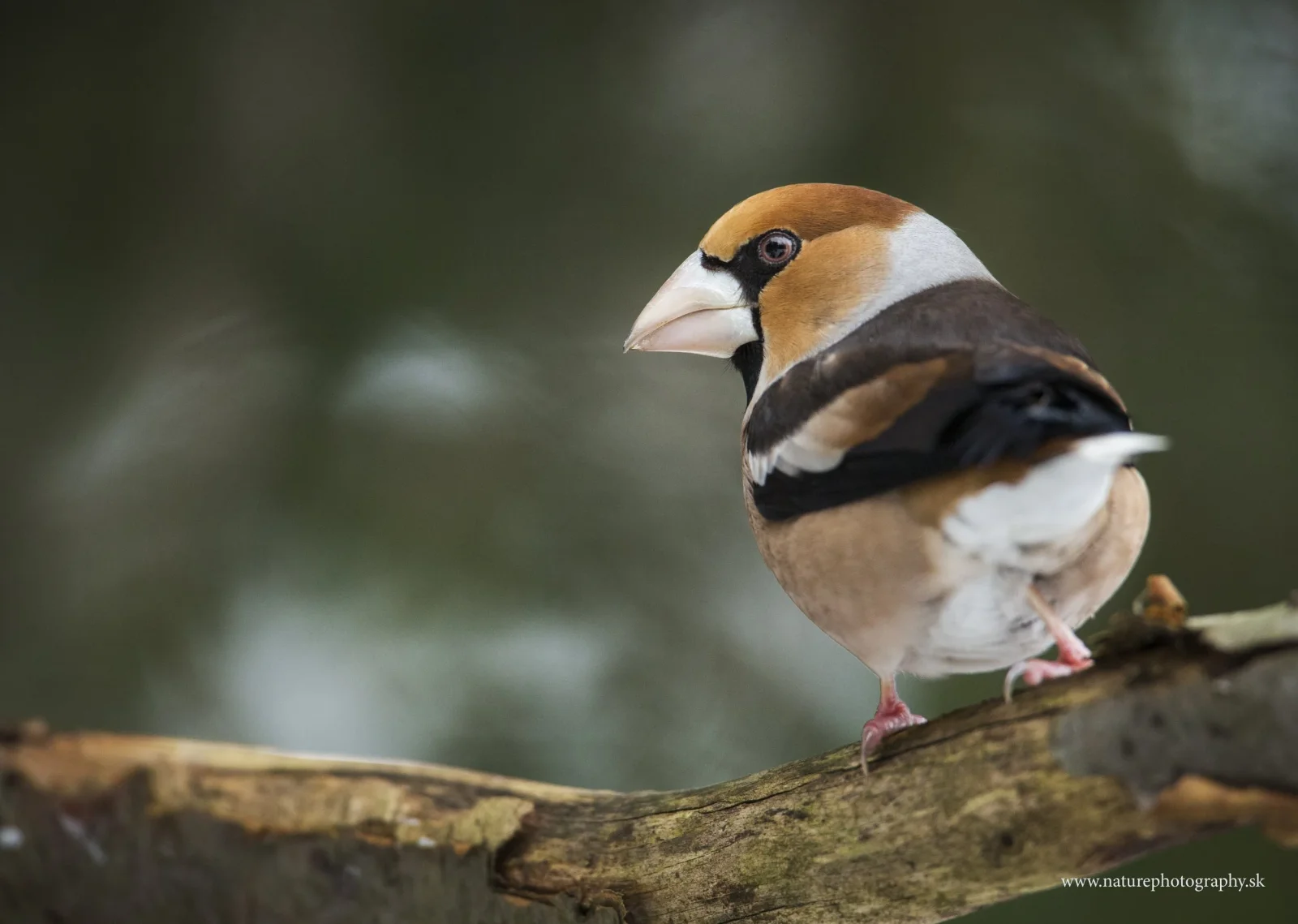
Time flew, and I had to go back to work for 3 weeks. So when I return I’ll carry on with my Feeders and Pools project and start preparing new locations.
To finish, I have to say that photographing at a feeder is a fascinating pursuit: however well prepared you are, you never know what will fly in, so you have to stay on your toes the whole time. As with any nature photography, preparation is needed here too, to maximise your chances of a quality shot. I’m very glad that the speaker and the recordings on my phone proved their worth, and I’ll keep developing this technique. I’d also like to say that whether you photograph birds or not, it’s good to help them out a little in winter, so that in spring they can brighten our time outdoors with their twittering and whistling – the way only they can.
Good light and happy hunting with the camera.